December 1, 2025 • Mary Marshall
Password Firewall vs Password Policy: Understanding the Critical Difference for Enterprise Security
Discover why traditional password policies fall short and how password firewalls provide proactive protection against breaches.
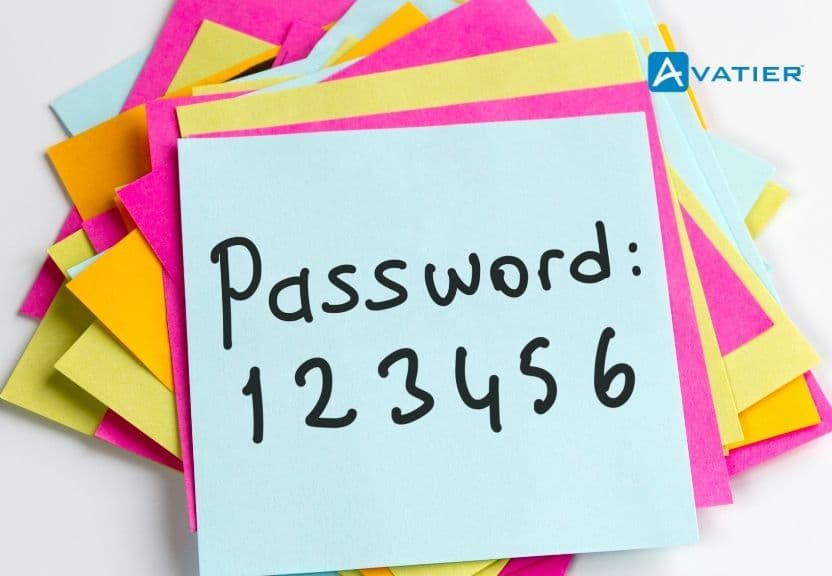
Passwords remain the first line of defense against unauthorized access despite the rise of passwordless authentication methods. However, organizations often confuse password policies with password firewalls, a distinction that could be the difference between robust security and vulnerability to attacks.
According to the 2023 Verizon Data Breach Investigations Report, 83% of breaches involve stolen credentials, highlighting the critical importance of strong password security. Yet many enterprises continue to rely solely on basic password policies, leaving themselves exposed to sophisticated attack vectors.
The Limitations of Traditional Password Policies
Password policies are essentially rules that define the minimum requirements for password creation within an organization. They typically include specifications for:
- Minimum length (usually 8-12 characters)
- Character complexity (uppercase, lowercase, numbers, symbols)
- Password expiration periods
- Password history restrictions
- Account lockout thresholds
While these policies provide a foundational security framework, they suffer from significant limitations:
1. Reactive Rather Than Proactive
Traditional password policies only verify compliance at the moment of password creation or change. They don’t actively protect against emerging threats or newly compromised credentials.
2. Limited Dictionary Checking
Basic policies may check against common words but lack comprehensive dictionaries of compromised passwords that are constantly updated in real-time.
3. User Experience Challenges
Strict policies often lead to user frustration, resulting in predictable password patterns or insecure workarounds. For example, when required to change passwords frequently, users often resort to minor modifications like “Spring2023!” to “Spring2023!!” – changes that sophisticated cracking tools can easily predict.
4. No Protection Against Credential Stuffing
Standard policies cannot detect when credentials have been exposed in third-party breaches, leaving organizations vulnerable to credential stuffing attacks where hackers use previously compromised username/password combinations.
Password Firewalls: The Proactive Security Layer
A password firewall, in contrast, acts as an active defensive barrier against password-based attacks. Rather than merely setting rules, it enforces them through intelligent, real-time analysis and protection.
Key Capabilities of Advanced Password Firewalls:
1. Real-Time Breach Detection
Password firewalls continuously monitor for newly compromised credentials across the dark web and implement immediate protection when credentials appear in breach databases.
2. Contextual Analysis
Unlike static policies, firewalls can analyze password strength contextually, considering factors such as:
- User-specific information that might make a seemingly complex password predictable
- Industry-specific terminology that might be targeted in attacks
- Company name variations and common substitutions
3. Advanced Attack Prevention
Modern password firewalls incorporate protection against sophisticated attack methods like:
- Rainbow table attacks
- Dictionary attacks with common substitutions
- Password spraying techniques
- Brute force attempts
4. Adaptive Security
Password firewalls can adjust security requirements based on risk levels, user roles, and access patterns, providing contextually appropriate protection without unnecessary friction.
Avatier’s Password Bouncer: Bridging the Gap Between Policy and Firewall
Avatier’s Password Bouncer represents the evolution of password security by combining policy enforcement with firewall-like protection. This solution delivers comprehensive password security while maintaining a seamless user experience.
How Password Bouncer Transforms Password Security:
Comprehensive Dictionary Protection
Password Bouncer incorporates extensive dictionary checking that goes far beyond basic password policies. It screens against:
- Common passwords from data breaches
- Permutations and variations of dictionary words
- Company-specific terms and jargon
- User-related information that could be exploited
Real-Time Security Enforcement
Unlike basic password policies that only enforce rules at creation time, Password Bouncer provides continuous protection by:
- Scanning existing passwords against newly discovered compromised credential lists
- Alerting administrators to potentially vulnerable accounts
- Enforcing immediate password changes when risks are detected
Seamless Integration
Password Bouncer integrates with your existing identity management infrastructure, providing enterprise-grade password protection without disrupting workflows. It works seamlessly with Avatier’s comprehensive identity management suite, including self-service password reset capabilities that reduce help desk costs while maintaining security.
Compliance Support
For regulated industries, Password Bouncer helps organizations meet stringent compliance requirements. According to a study by Ponemon Institute, organizations with robust password security tools experience 33% fewer security incidents related to compromised credentials.
Password Bouncer specifically addresses requirements for:
The Business Impact: Password Firewalls vs. Policies
Cost of Breach Prevention
The financial argument for password firewalls is compelling. IBM’s Cost of a Data Breach Report 2023 found that the average cost of a data breach has reached $4.45 million, with credential-based attacks being among the most common vectors.
Implementing a password firewall like Password Bouncer significantly reduces this risk with minimal operational overhead. When compared to competitors like Okta and SailPoint, Avatier’s solution provides a more comprehensive approach to password security at a competitive total cost of ownership.
Reduction in IT Support Burden
Password-related issues account for approximately 20-50% of help desk calls in the typical enterprise. Password firewalls not only enhance security but also reduce this burden by:
- Preventing lockouts caused by forgotten complex passwords
- Providing clear feedback on why certain passwords don’t meet security requirements
- Enabling secure self-service password management options
Enhanced User Experience
One of the most significant advantages of modern password firewalls over basic policies is the improved user experience. While traditional policies often force arbitrary complexity that leads to workarounds, solutions like Password Bouncer focus on meaningful security that users can understand and implement.
For example, instead of rejecting a password with cryptic messages about complexity requirements, Password Bouncer provides actionable feedback that helps users create strong, memorable passwords that actually enhance security.
Implementation Considerations: Moving Beyond Basic Policies
Assessment of Current Vulnerabilities
Before implementing a password firewall, organizations should conduct a thorough assessment of their current password security posture. This includes:
- Evaluating existing password policies against current threat landscapes
- Analyzing password reset patterns that might indicate user frustration
- Conducting controlled testing to identify potential vulnerabilities
Integration with Identity Management Strategy
Password security should be viewed as part of a comprehensive identity and access management strategy. For maximum effectiveness, password firewalls should be integrated with:
- Multi-factor authentication solutions
- Identity lifecycle management
- Access governance frameworks
- Single sign-on technologies
This integrated approach creates multiple layers of protection while maintaining usability.
Phased Implementation Approach
Organizations transitioning from basic password policies to firewall protection should consider a phased approach:
- Begin with high-risk user groups like administrators and executives
- Gradually extend to all users with appropriate communication and training
- Implement continuous improvement based on security metrics and user feedback
Conclusion: The Critical Role of Password Firewalls in Modern Security
While traditional password policies provide a baseline for security, they fall short in addressing the sophisticated threats facing today’s enterprises. Password firewalls like Avatier’s Password Bouncer represent a crucial evolution in credential protection, offering proactive, adaptive security that responds to emerging threats while maintaining usability.
As cyber threats continue to evolve, organizations must recognize that basic password policies are no longer sufficient. The implementation of robust password firewall technology isn’t just a security enhancement—it’s a business necessity that protects against potentially devastating breaches while reducing operational costs.
By understanding the critical differences between password policies and password firewalls, security leaders can make informed decisions that strengthen their overall security posture and protect their most valuable assets from increasingly sophisticated attacks.
Ready to strengthen your password security beyond basic policies? Learn more about Avatier’s Password Bouncer and how it can transform your organization’s approach to credential protection while simplifying the user experience.