December 4, 2025 • Mary Marshall
Password Firewall vs Privileged Access Management: Complementary Security Layers for Enhanced Identity Protection
Discover how Password Firewall and Privileged Access Management work together to create comprehensive identity protection for enterprises.
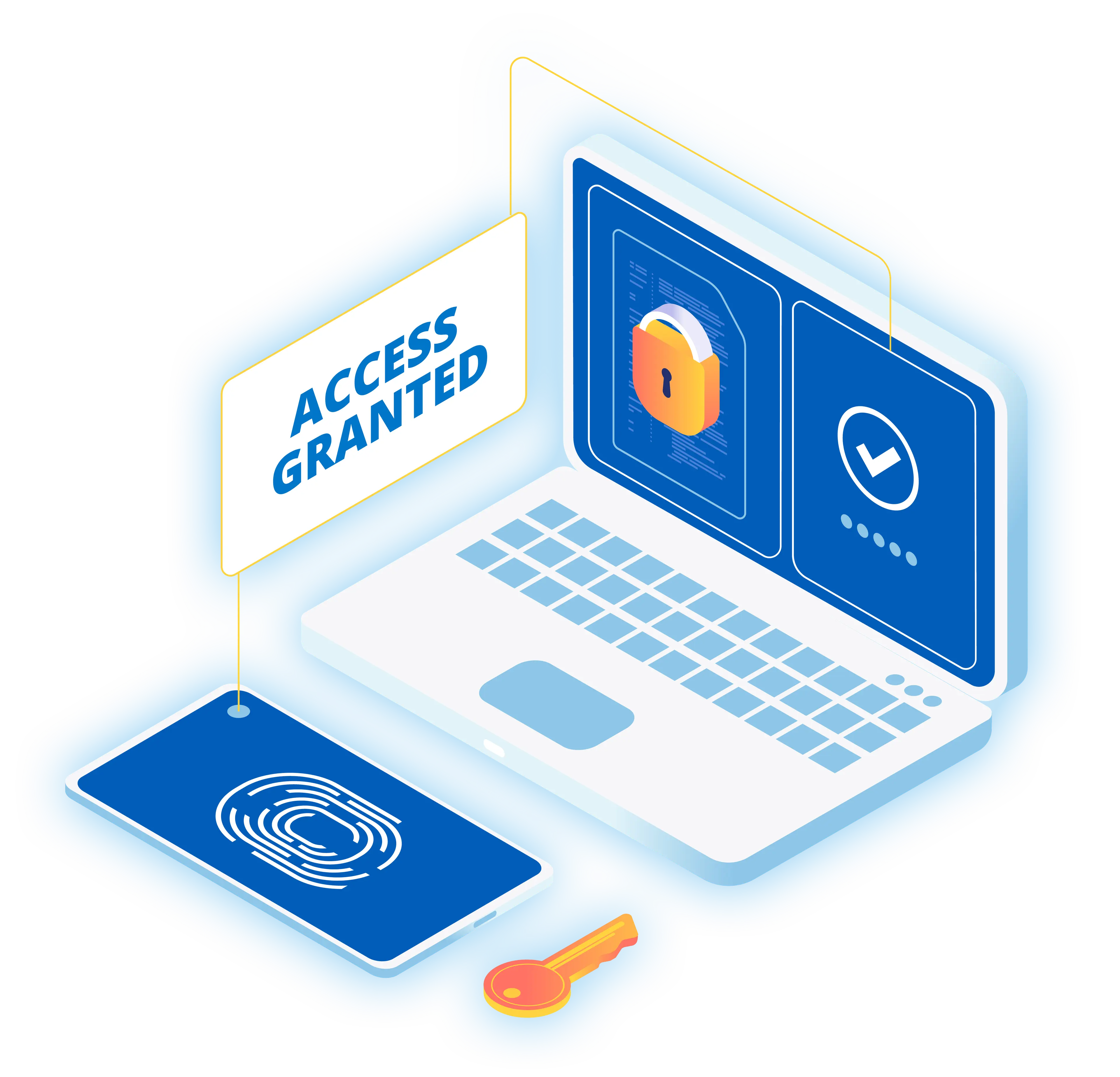
Organizations face an increasing number of sophisticated threats targeting their most sensitive credentials and access points. Two essential security technologies—Password Firewall solutions and Privileged Access Management (PAM)—often get confused or viewed as competing solutions. However, these technologies serve complementary functions in a robust security architecture, particularly when implemented as part of a comprehensive identity management strategy.
Understanding the Fundamentals
What is a Password Firewall?
A Password Firewall, such as Avatier’s Password Bouncer, serves as the first line of defense against weak passwords and common password-based attacks. These solutions enforce strong password policies by screening password creation attempts against comprehensive databases of compromised credentials, common patterns, and organizational requirements.
Key functions include:
- Real-time password screening against known compromised credentials
- Prevention of common, easily-guessable passwords
- Enforcement of complexity requirements beyond standard policy settings
- Protection against password reuse across multiple systems
- Integration with existing directory services and identity platforms
What is Privileged Access Management (PAM)?
Privileged Access Management focuses on securing, controlling, and monitoring access to critical systems and sensitive data by privileged users. These solutions manage and protect accounts with elevated privileges that could cause significant damage if compromised.
Core PAM capabilities include:
- Vault-based credential management for administrative accounts
- Just-in-time privileged access provisioning
- Session recording and monitoring
- Least privilege enforcement
- Privileged account discovery and lifecycle management
The Complementary Relationship
While both technologies contribute to security, they address different aspects of the identity protection spectrum:
| Password Firewall | Privileged Access Management |
|---|---|
| Focuses on password quality | Focuses on access control |
| Protects all user accounts | Primarily targets privileged accounts |
| Prevents weak credentials | Manages credential usage |
| Works at password creation | Works at access request time |
According to a recent study by the Ponemon Institute, 74% of data breaches involve privileged credential abuse, while 81% of hacking-related breaches leverage stolen or weak passwords. This data underscores why both technologies are essential parts of a defense-in-depth strategy.
Key Differences in Implementation and Scope
Password Firewall: Enterprise-Wide Protection
Password firewalls typically integrate at the directory level to protect all user accounts across an organization. Avatier’s Password Bouncer solution, for example, provides comprehensive protection by:
- Screening passwords against databases of millions of compromised credentials
- Preventing dictionary words and common substitutions
- Blocking passwords containing personal information
- Enforcing customizable complexity requirements
- Supporting multiple languages and international character sets
This approach ensures every password created within the organization meets stringent security requirements, establishing a strong foundation for overall identity security.
PAM: Focused Protection for Critical Access
In contrast, PAM solutions focus intensely on privileged accounts—those with administrative access to critical systems, databases, and applications. Their more targeted approach includes:
- Secure storage of privileged credentials in encrypted vaults
- Password rotation and automatic management
- Workflow-based access approval processes
- Detailed audit logging of privileged sessions
- Behavioral analysis to identify suspicious activities
According to Gartner, organizations that implement PAM can reduce the risk of privileged credential abuse by up to 75%. However, PAM alone doesn’t address the broader issue of password quality across all user accounts.
Building a Layered Defense Strategy
Why Organizations Need Both Solutions
The reality of modern security is that no single solution provides complete protection. A layered approach incorporating both password firewall capabilities and privileged access management creates a more robust security posture by:
- Ensuring baseline credential security: Password firewalls establish a minimum security threshold for all accounts, reducing the overall attack surface.
- Providing elevated protection for critical access: PAM adds additional safeguards specifically for high-value targets.
- Creating defense-in-depth: Multiple security layers mean attackers must bypass multiple controls to gain access.
- Addressing different attack vectors: Protection against both broad-based and targeted attack techniques.
Integration with Identity Management
Both technologies become even more powerful when integrated within a comprehensive identity management architecture. This integration enables:
- Centralized policy management across all identity-related systems
- Automated enforcement of security controls
- Streamlined compliance reporting
- Enhanced visibility into identity-related risks
- Improved user experience through unified interfaces
By incorporating these technologies within a larger Identity and Access Management (IAM) framework, organizations can balance security requirements with usability considerations—a critical factor in user adoption and overall security effectiveness.
Practical Implementation Considerations
Assessment and Planning
Before implementing either solution, organizations should:
- Conduct a comprehensive inventory of existing accounts, focusing on identifying privileged access
- Assess current password policies and their enforcement mechanisms
- Review recent security incidents involving credentials
- Identify regulatory requirements related to authentication and access control
- Establish clear security objectives and success metrics
Implementation Best Practices
For Password Firewalls:
- Begin with baseline policies and gradually increase strictness
- Provide clear feedback to users when passwords are rejected
- Implement self-service password reset capabilities to reduce help desk burden
- Consider cultural and language factors in policy design
- Regularly update compromised password databases
For PAM Solutions:
- Start with the most critical systems and highest-risk accounts
- Establish clear workflows for privileged access requests
- Implement just-in-time access rather than standing privileges
- Enable session monitoring for sensitive systems
- Regularly review and rotate privileged credentials
User Experience Considerations
Balancing security with usability remains one of the most significant challenges in identity management. Organizations implementing these technologies should:
- Provide clear communication about security policies and their importance
- Offer password guidance and strength meters during creation
- Streamline privileged access requests through intuitive interfaces
- Implement single sign-on (SSO) where appropriate to reduce password fatigue
- Consider password managers as complementary tools for users
Regulatory Compliance Benefits
Both password firewalls and PAM contribute significantly to meeting various compliance requirements:
- NIST 800-53: Addresses requirements for access control, least privilege, and authentication management
- HIPAA: Helps protect PHI by ensuring appropriate access controls
- PCI DSS: Supports requirements for unique IDs and restricted access to cardholder data
- SOX: Assists with access controls and segregation of duties requirements
- GDPR: Helps implement appropriate security measures for personal data
Organizations in regulated industries such as healthcare, financial services, and government should pay particular attention to how these technologies support their compliance objectives.
Addressing Common Security Challenges
Threat Response: Different Solutions for Different Threats
Password firewalls and PAM address different aspects of credential-based attacks:
Password Firewalls Counter:
- Credential stuffing attacks
- Dictionary and brute force attempts
- Password spraying
- Social engineering-based password guessing
PAM Solutions Address:
- Insider threats from privileged users
- Targeted attacks seeking administrative access
- Credential theft and lateral movement
- Unauthorized privileged account usage
According to a study by the Identity Defined Security Alliance, organizations that implement both strong password controls and privileged access management experience 60% fewer identity-related breaches than those using basic security measures alone.
Advanced Security: AI and Behavioral Analytics
The future of both password security and privileged access management lies in the integration of artificial intelligence and behavioral analytics. Modern solutions increasingly incorporate:
- Machine learning algorithms to detect anomalous access patterns
- Behavioral biometrics to verify user identity
- Contextual authentication based on risk factors
- Predictive analysis to identify potential threats before they materialize
These advanced capabilities further enhance the complementary relationship between password firewalls and PAM by adding dynamic security layers that adapt to changing threat landscapes.
Conclusion: Better Together
Rather than viewing Password Firewall and Privileged Access Management as competing solutions, organizations should recognize them as complementary components of a comprehensive security architecture. Password firewalls establish a strong foundation of credential security across the entire organization, while PAM adds specialized protection for the most sensitive access points.
When implemented together as part of an integrated identity management strategy, these technologies create multiple layers of protection that significantly reduce the risk of credential-based attacks. As cyber threats continue to evolve, this layered approach to identity security will become increasingly important for organizations seeking to protect their critical assets.
For organizations looking to enhance their password security posture, Avatier’s Password Bouncer offers a robust solution that integrates seamlessly with existing identity infrastructure while providing comprehensive protection against weak and compromised credentials. Combined with privileged access controls, it forms a powerful defense against today’s most common attack vectors.
By implementing both technologies with careful consideration of organizational needs, regulatory requirements, and user experience, organizations can establish a security posture that’s both strong and sustainable in today’s challenging threat environment.
Unlock the full potential of your security strategy today! Implement a robust Password Firewall and Privileged Access Management solution to safeguard your sensitive data. Contact us for a consultation and take the first step towards a stronger defense!