July 5, 2025 • Mary Marshall
WebAuthn: The Future of Passwordless Authentication for Enterprise Security
Discover how WebAuthn is revolutionizing enterprises. Learn why forward-thinking organizations are moving beyond traditional credentials.
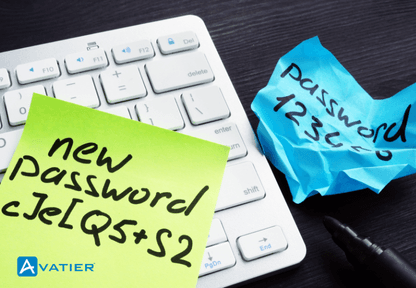
Passwords have become both our most common defense and our greatest vulnerability. Despite decades of warnings from security experts, weak, reused, and compromised passwords remain the leading cause of data breaches. According to the 2023 Verizon Data Breach Investigations Report, compromised credentials are involved in nearly 49% of all breaches. It’s clear that traditional password-based authentication has reached its limits in providing adequate protection for modern enterprises.
Enter WebAuthn (Web Authentication) – the game-changing standard that’s promising to reshape how we approach identity verification and access management in the digital age.
What is WebAuthn?
WebAuthn is an API and core component of the FIDO2 specifications, developed by the FIDO Alliance and World Wide Web Consortium (W3C). This open standard enables passwordless authentication by allowing users to verify their identity using secure methods like biometrics (fingerprints, facial recognition), hardware security keys, or device-based authentication rather than relying on traditional passwords.
The standard leverages public-key cryptography, creating a unique credential for each service that never leaves the user’s device. This architecture fundamentally transforms the security model, effectively eliminating many common attack vectors like phishing, credential stuffing, and password database breaches.
Why Passwordless Authentication Matters for Enterprise Security
The limitations of traditional passwords are well-documented and increasingly problematic as digital transformation accelerates:
- Security vulnerabilities: Over 80% of data breaches involve compromised credentials, according to Okta’s 2023 Businesses at Work report.
- Productivity drain: The average employee spends 10.9 hours per year just dealing with password-related issues like resets and lockouts.
- User friction: Complex password requirements create frustration while still failing to provide adequate security.
- Management costs: Enterprise help desks spend approximately $1 million annually just on password reset requests.
With these challenges in mind, forward-thinking organizations are rapidly adopting passwordless authentication solutions like WebAuthn as part of their identity management architecture.
How WebAuthn Works
WebAuthn operates on a fundamentally different security model than traditional passwords:
- Registration: When a user creates an account with a WebAuthn-enabled service, their device generates a public-private key pair. The private key remains securely stored on the user’s device, while the public key is sent to the service provider.
- Authentication: When the user returns to log in, the service sends a challenge to the user’s device. The device uses the private key to sign this challenge, which is then verified by the service using the stored public key.
- Verification: Authentication succeeds only if the challenge signature is valid, confirming the user possesses the registered device and has completed the required biometric or PIN verification.
What makes this approach revolutionary is that there are no shared secrets transmitted during authentication. Unlike passwords, which can be intercepted, stolen, or replicated, WebAuthn’s cryptographic keys are device-bound and resistant to phishing and replay attacks.
The Business Case for WebAuthn Implementation
The shift toward passwordless authentication isn’t just about improving security – it delivers measurable business benefits across multiple dimensions:
Enhanced Security Posture
By eliminating passwords, organizations can immediately reduce their attack surface. According to Microsoft, passwordless authentication can reduce the risk of account compromise by up to 99.9% compared to password-only systems.
Improved User Experience
Password fatigue is real. A study by Ping Identity found that 63% of employees report feeling overwhelmed by managing passwords. WebAuthn provides a frictionless experience that can significantly reduce authentication time from an average of 12 seconds with traditional passwords to less than 2 seconds with biometric or hardware key authentication.
Reduced IT Support Costs
Password resets constitute between 20-50% of help desk calls in the typical enterprise. By implementing passwordless authentication, organizations can dramatically reduce operational costs associated with credential management.
Strengthened Compliance Posture
As regulatory frameworks increasingly focus on identity verification and access controls, WebAuthn helps organizations meet or exceed compliance requirements for standards like GDPR, CCPA, and industry-specific regulations like HIPAA and PCI DSS.
WebAuthn in Action: Use Cases for the Modern Enterprise
Organizations across sectors are leveraging WebAuthn to transform their authentication processes:
Zero Trust Security Frameworks
WebAuthn serves as a cornerstone in zero trust architecture implementations by providing stronger identity verification. Combined with multifactor integration, it creates layered security that aligns perfectly with the “never trust, always verify” approach.
Remote and Hybrid Workforce Support
The rise of distributed work environments has created authentication challenges that WebAuthn is uniquely positioned to address. By removing the dependency on passwords, organizations can secure access regardless of location while maintaining a seamless user experience.
Customer Identity and Access Management (CIAM)
Progressive organizations are extending WebAuthn beyond employee access to customer-facing applications. This not only enhances security but also differentiates the customer experience by eliminating password friction points during login and transactions.
High-Security Environments
For industries like financial services, healthcare, and government, WebAuthn provides the robust authentication needed for sensitive data and operations while maintaining usability that password-based systems with high complexity requirements cannot match.
Implementation Considerations for Enterprise Adoption
While WebAuthn offers tremendous security benefits, successful implementation requires strategic planning:
Browser and Platform Support
Support for WebAuthn has expanded rapidly, with all major browsers and operating systems now offering compatibility. However, organizations should audit their technology stack to identify any potential gaps, particularly for legacy applications.
Phased Rollout Strategy
Most successful WebAuthn implementations follow a staged approach:
- Pilot phase with select user groups to validate workflows and gather feedback
- Optional adoption alongside existing authentication methods
- Default authentication with password options as fallback
- Password elimination for supported systems and use cases
Integration with Existing IAM Infrastructure
WebAuthn should complement your broader identity and access management strategy. Integration with single sign-on (SSO) solutions, directory services, and user lifecycle management systems ensures seamless identity governance while enhancing security.
Backup Authentication Methods
Even with WebAuthn, organizations need contingency plans for scenarios like lost devices or biometric failures. A comprehensive authentication strategy should include secure fallback mechanisms that maintain security while addressing edge cases.
The Future of Authentication: Where WebAuthn is Heading
The authentication landscape continues to evolve, with several emerging trends shaping WebAuthn’s future:
Expanded Device Support
The FIDO Alliance continues to work with manufacturers to extend WebAuthn support across more devices and platforms, creating a more consistent cross-device experience for users.
Enhanced Enterprise Management Features
As adoption grows, we’re seeing more robust enterprise management capabilities for WebAuthn credentials, including centralized provisioning, attestation, and analytics that help organizations maintain visibility and control.
Integration with Decentralized Identity Frameworks
The principles behind WebAuthn align naturally with emerging decentralized identity approaches, potentially enabling more user-controlled identity verification across organizational boundaries.
Artificial Intelligence and Contextual Authentication
The next frontier in authentication combines WebAuthn with AI-driven risk assessment, allowing for adaptive authentication based on contextual factors while maintaining the passwordless experience.
Taking the First Step Toward Passwordless Authentication
For organizations ready to explore WebAuthn implementation, consider these starting points:
- Assessment: Evaluate your current authentication infrastructure, identifying high-priority applications and user groups for initial deployment.
- Pilot Program: Implement WebAuthn for a limited scope to validate technical integration and gather user feedback.
- Education: Develop training materials that help users understand the benefits and mechanics of passwordless authentication.
- Technology Selection: Identify identity providers and platforms that support WebAuthn and align with your broader security architecture.
- Policy Updates: Revise authentication policies and procedures to incorporate passwordless methods and any necessary fallback procedures.
Conclusion: Embracing the Passwordless Future
WebAuthn represents more than just another authentication method – it signifies a paradigm shift in how we approach identity verification. By eliminating passwords, organizations can simultaneously strengthen security and improve user experience, addressing what has historically been a challenging tradeoff.
As cyber threats continue to evolve and target traditional credential-based systems, passwordless authentication with WebAuthn offers a more resilient approach to enterprise security. Organizations that embrace this technology now will not only reduce their immediate risk exposure but also build the foundation for more adaptive and user-centric identity ecosystems.
The question is no longer whether passwords will become obsolete, but how quickly organizations can transition to the more secure, frictionless future that WebAuthn enables. For forward-thinking security leaders, the time to start that journey is now.
Ready to explore how passwordless authentication can transform your organization’s security posture? Learn more about Avatier’s advanced identity management solutions and how they integrate with modern authentication standards like WebAuthn to deliver both enhanced security and improved user experiences.