September 4, 2025 • Mary Marshall
Cross-Platform Intelligence: How AI Agents Unify Disparate Systems Using Avatier
Discover how AI agents streamline identity management, unify diverse systems, and enhance security with Avatier’s innovative solutions.
Businesses face the challenge of integrating a plethora of disparate systems and platforms. While these systems individually offer significant advantages, their disjointed nature often leads to inefficiencies and increased security vulnerabilities. Enter AI-driven identity and access management solutions, like those offered by Avatier, which promise to transform this chaotic environment into a cohesive, secure, and streamlined ecosystem.
The Need for Unification
Organizations rely on various software and systems to support business functions, ranging from HR applications to CRM systems and everything in between. The sudden rise of hybrid and remote work environments has made seamless connectivity and security more critical than ever. According to Gartner, “by 2022, 60% of organizations will implement remote working as a long-term strategy.” The multitude of platforms not only challenges seamless operation but also heightens security risks if not managed correctly.
The Role of AI Agents in Unification
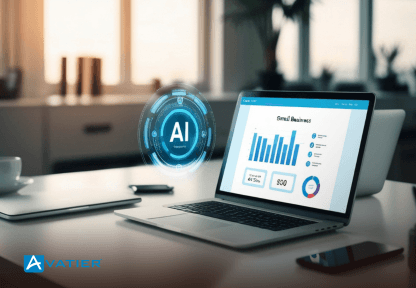
Artificial Intelligence (AI) agents play a pivotal role in unifying disparate systems. By automating routine processes, AI reduces the manual workloads on IT departments while rapidly responding to security breaches. An example from Forrester Research shows that AI can reduce operational costs by up to 23% by minimizing human intervention in identity and access management (IAM) tasks. AI agents can intelligently analyze integration points, optimize pathways, and ensure consistent security enforcement across systems.
Avatier’s Unified Approach
Avatier stands at the forefront of AI-driven identity management solutions, delivering products that simplify access, enhance security, and provide seamless self-service experiences. With Avatier’s Identity Anywhere platform, businesses can manage identity and access management regardless of the deployment environment. This flexible approach ensures that organizations are not locked into a particular cloud or on-premise setup, allowing greater versatility and compliance with industry standards and regulations.
Another key offering is Avatier’s Lifecycle Management, which automates user provisioning and de-provisioning, ensuring that employee access is consistently aligned with their roles and responsibilities. This automation not only boosts efficiency but also significantly improves security by minimizing potential vulnerabilities from human errors.
Automation and Security
AI-driven automation in identity management bolsters security by rigorously enforcing zero-trust principles. This strategic model requires continuous validation at every access point, thus reducing the likelihood of unauthorized access. According to a report from Ping Identity, breaches resulting from credential theft can be reduced by approximately 50% by implementing multifactor authentication (MFA) and automated monitoring, such as those available in Avatier’s Multifactor Integration.
Furthermore, Avatier’s AI mechanisms deftly handle data synchronization across platforms, ensuring information accuracy and up-to-date role-based access controls. This capability is crucial in environments where employee roles frequently change, such as mergers or digital transformations.
Enhancing User Experience with Self-Service
A major benefit of using AI in identity management is the enhancement of user experience through self-service capabilities. Tools such as Avatier’s Self-Service Identity Manager enable users to handle basic tasks like password resets and access requests independently, thus reducing dependency on IT help desks. This empowerment saves time and resources while allowing IT personnel to focus on more strategic initiatives.
A study by Okta revealed that improving user experience directly correlates to better compliance and security posture, as employees are more likely to adhere to protocols that don’t hinder their workflows.
Bridging Compliance and Efficiency
Modern enterprises must juggle security with compliance to various regulatory standards, such as GDPR, HIPAA, and SOX. The pressure to comply can create complex workflows, particularly in multinational corporations. Avatier’s solutions provide compliance management tools that not only streamline these processes but ensure that audits and regulatory requirements are met without compromising operational efficiency.
Future-Proofing with AI-Driven IAM
As AI continues to evolve, so will its application in identity management. Future developments anticipate even deeper integration with machine learning algorithms, enabling systems to predict potential breaches and automatically adjust access controls for preemptive threat mitigation. Avatier’s forward-thinking approach ensures that businesses are well-equipped to face the challenges of tomorrow.
In contrast to solutions from competitors like SailPoint or Okta, which often focus primarily on either security or user management, Avatier provides a balanced portfolio that combines seamless access, robust security, and intuitive self-service. This comprehensive offering has become a magnet for organizations keen on enhancing their operational performance while ensuring maximum security.
Conclusion
The integration of AI agents within identity management systems signifies a new era of cross-platform intelligence. With its extensive suite of solutions, Avatier delivers on the promise of unifying disparate systems, ensuring businesses can navigate the complexities of modern operations efficiently and securely. As the business world continues to digitize, Avatier’s solutions remain a crucial ally for organizations aiming to stay ahead in the arena of identity management.