January 1, 2026 • Mary Marshall
Common Password Lists: Why Blocking Them Matters More Than Ever
Discover why blocking common passwords is critical for enterprise security. Learn how Avatier’s advanced password management solutions.
Password security remains the frontline defense for organizations worldwide. Despite technological advances, passwords continue to be a critical vulnerability. According to a recent IBM report, compromised credentials were responsible for 19% of all data breaches, costing organizations an average of $4.5 million per incident—slightly higher than the global average cost.
The sobering reality? Many of these breaches stem from attackers exploiting common passwords that employees continue to use despite security warnings. This article explores why blocking common password lists is more crucial than ever before and how modern solutions like Avatier’s Password Management can protect your organization.
The Persistent Threat of Common Passwords
Year after year, password security reports reveal a troubling consistency: people continue using predictable, easily guessable passwords. The most common passwords of 2023 remain distressingly simple:
- 123456
- password
- 12345
- 12345678
- qwerty
- abc123
- 111111
- password1
- 1234567
- 12345679
What’s particularly alarming is that despite increased security awareness, these passwords persist. According to SpyCloud’s 2023 Identity Exposure Report, 64% of users continue to reuse passwords across multiple accounts, and 70% of compromised passwords were on common password lists.
Why Common Passwords Remain a Problem
Cognitive Limitations and Convenience
Humans naturally gravitate toward patterns and simplicity. We’re cognitively wired to choose memorability over complexity, especially when managing multiple accounts. The average employee now manages between 25-85 passwords, making convenience a powerful motivator to choose simple passwords or reuse existing ones.
Password Fatigue
Security fatigue is real. As users are bombarded with increasingly complex password requirements across dozens of systems, many resort to predictable patterns or minimal changes to meet requirements while maintaining memorability.
Underestimation of Risk
Many users simply don’t believe their accounts are valuable targets. This misconception leads to a dangerous complacency where simple passwords seem “good enough” for day-to-day use.
The Rising Stakes of Password Vulnerabilities
The consequences of weak password practices have never been more severe:
Automated Attack Sophistication
Modern credential-stuffing and brute force attacks are increasingly sophisticated. Attackers employ massive databases of leaked passwords, machine learning algorithms, and distributed computing power to crack passwords at unprecedented speeds.
Credential Stuffing at Scale
With billions of leaked credentials available on the dark web, attackers can automatically test username/password combinations across thousands of sites simultaneously. According to the 2023 Verizon Data Breach Investigations Report, over 80% of breaches involving hacking use stolen credentials or brute force methods.
Supply Chain Vulnerabilities
A single compromised account can create a domino effect throughout your supply chain. The SolarWinds breach demonstrated how one compromise can affect thousands of organizations downstream.
Why Blocking Common Password Lists Works
Implementing common password list blocking is a highly effective security measure for several reasons:
Immediate Risk Reduction
By preventing users from selecting passwords known to be compromised or commonly used, organizations immediately reduce their attack surface. This low-effort, high-impact measure addresses the “low-hanging fruit” that attackers typically target first.
Behavioral Change Driver
When users are prevented from using familiar, simple passwords, they’re forced to develop better password creation habits. Over time, this nudges organizational culture toward stronger security practices.
Compliance Alignment
Increasingly, regulatory frameworks like NIST 800-63B, SOX, HIPAA, and GDPR recommend or require controls against common passwords. Implementing compliance solutions that incorporate password controls helps meet these requirements efficiently.
How to Implement Common Password Blocking Effectively
Dynamic Blocked Lists vs. Static Lists
Static lists quickly become outdated as new breaches occur. Modern password management solutions like Avatier’s Password Bouncer utilize continuously updated lists that incorporate newly leaked credentials, providing far more comprehensive protection.
Contextual Password Policies
Effective password policies consider context—blocking not just common passwords but also company-specific terms, usernames, variations of personal information, and sequential patterns. This comprehensive approach prevents users from circumventing basic checks with predictable variations.
User Education and Feedback
When blocking a password attempt, providing clear feedback on why the password was rejected and offering guidance on creating stronger passwords turns a potential frustration point into a learning opportunity.
The Avatier Approach: Beyond Simple Password Blocking
Avatier’s Identity Management solutions take password security beyond simple blacklists through a multi-layered approach:
Advanced Pattern Recognition
Avatier’s Password Management solutions detect and block sophisticated password patterns, not just exact matches from common lists. This prevents users from making minor variations to common passwords (e.g., “P@ssw0rd!” instead of “password”).
Real-time Breach Detection
By integrating with breach notification services, Avatier can immediately flag and require changes for passwords known to be compromised, rather than waiting for the next scheduled password change.
Self-Service Password Reset with Strong Verification
Avatier’s Password Reset Tool provides secure, self-service options that reduce help desk costs while maintaining strong identity verification standards. This prevents social engineering attacks that target help desk-facilitated resets.
Enterprise-Wide Consistency
With Avatier, organizations can implement consistent password policies across all systems—including legacy applications and cloud services—through a unified management interface. This eliminates security gaps created by inconsistent policies across different systems.
Beyond Password Blocking: A Comprehensive Approach
While blocking common passwords is crucial, it’s most effective as part of a broader identity security strategy that includes:
Multi-Factor Authentication
MFA remains one of the most effective defenses against password-based attacks. Avatier’s Multifactor Authentication integration provides flexible options that balance security with user experience.
Risk-Based Authentication
Adaptive authentication that considers context (location, device, behavior patterns) can add security without burdening users. Suspicious login attempts trigger additional verification steps, while routine access remains streamlined.
Privileged Access Management
Special attention to administrator and privileged accounts is essential, as these represent the highest-value targets for attackers. Avatier’s Access Governance ensures privileged credentials receive appropriate additional protections.
Password-Less Authentication Options
The future of authentication may not include passwords at all. Organizations should begin exploring biometrics, security keys, and other password-less options as part of their long-term identity strategy.
Implementation Considerations and Challenges
When implementing common password blocking, organizations should anticipate:
Legacy System Integration
Older systems may not support modern password policy enforcement. Avatier’s Application Connectors provide integration capabilities that extend modern password policies to legacy systems.
Balancing Security and Usability
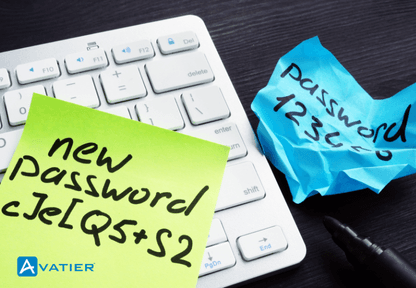
Excessively strict password policies can drive user workarounds (like writing passwords down). Finding the right balance requires regular policy evaluation and user feedback.
Phased Implementation
For organizations with relaxed password practices, a gradual tightening of requirements may be more effective than an immediate shift to strict policies.
Conclusion: The Critical Role of Password Security
While the security industry continues to innovate with advanced technologies like AI-driven threat detection and zero-trust architectures, password security remains a fundamental building block of organizational security posture. Blocking common passwords is a straightforward yet powerful step that addresses one of the most persistent vulnerabilities in enterprise security.
By implementing robust password management solutions like Avatier’s Identity Management suite, organizations not only protect against credential-based attacks but also build a foundation for more advanced security measures. As cyber threats continue to evolve, this fundamental protection becomes not just a best practice, but an essential component of comprehensive security strategy.
For a comprehensive approach to password security, including common password blocking and advanced protection mechanisms, explore Avatier’s Identity Firewall solution, which provides enterprise-grade password protection built for today’s threat landscape.