December 9, 2025 • Mary Marshall
Advanced Passwordless Login Through Login Reset: Enhancing Security Beyond Passwords
Discover how passwordless login capabilities through login reset transforms enterprise security, and eliminates password vulnerabilities.
Passwords represent both a familiar comfort and a dangerous liability. According to a recent IBM study, compromised credentials were responsible for 19% of all data breaches, costing organizations an average of $4.5 million per incident. The traditional password model has become increasingly untenable as remote work accelerates and attack vectors multiply.
Enter passwordless authentication—a transformative approach that eliminates the vulnerabilities inherent in conventional password systems while enhancing both security and user experience. This article explores how advanced passwordless login through login reset capabilities offers enterprises a pathway to stronger security posture, reduced operational costs, and improved user satisfaction.
The Password Problem: Why Traditional Authentication Falls Short
Traditional password management presents numerous challenges that impact both security and productivity:
Security Vulnerabilities
Passwords create multiple attack vectors that sophisticated threat actors routinely exploit:
- Credential Stuffing: 65% of people reuse passwords across accounts, enabling attackers to leverage stolen credentials across multiple services
- Phishing Attacks: 83% of organizations experienced successful phishing attacks in 2022
- Password Spraying: Automated tools can attempt common passwords across numerous accounts, bypassing rate limiting
- Brute Force Attacks: Modern computing power makes cracking even complex passwords increasingly feasible
Productivity Drains
The administrative burden of password management creates significant operational inefficiencies:
- Password reset requests account for 20-50% of all help desk calls
- The average employee spends 12.6 minutes weekly on password-related tasks
- Organizations spend approximately $70 per password reset when factoring all costs
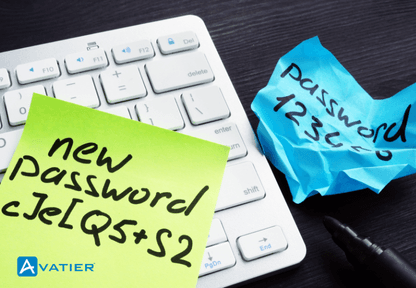
- Password friction leads to workarounds that compromise security (sticky notes, simple passwords)
The Passwordless Paradigm: Moving Beyond the Traditional Model
Passwordless authentication represents a fundamental shift in identity verification. Rather than relying on something users know (passwords), it leverages more secure factors:
- Something you have: Mobile devices, hardware tokens, or digital certificates
- Something you are: Biometrics like fingerprints, facial recognition, or voice patterns
- Something you do: Behavioral biometrics including typing patterns or gesture analysis
This multi-layered approach provides significantly stronger security while eliminating the friction associated with conventional password management.
Advanced Passwordless Login Through Login Reset: Key Capabilities
Modern passwordless authentication through login reset offers several sophisticated capabilities that transform the authentication experience:
1. Self-Service Passwordless Enrollment
Avatier’s passwordless solutions enable users to self-register for passwordless authentication through an intuitive process:
- QR code scanning for secure device registration
- Biometric enrollment using existing device capabilities
- Seamless transition from password to passwordless with minimal friction
- Self-service identity management that empowers users while reducing administrative burden
2. Multi-Factor Authentication Integration
Robust security requires layered verification, especially for sensitive operations:
- Contextual authentication that adapts security requirements based on risk factors
- Integration with leading MFA providers for enhanced security
- Push notifications for frictionless verification
- Risk-based authentication that adjusts requirements based on user behavior, location, and device
3. Cross-Platform Consistency
Modern workforces require authentication that follows them across devices and environments:
- Consistent experience across mobile, desktop, and web interfaces
- Offline authentication capabilities for scenarios without network connectivity
- Cross-device synchronization of authentication methods
- Unified experience regardless of operating system or browser
4. Administrative Control and Visibility
Enterprise-grade passwordless solutions provide robust management capabilities:
- Centralized policy management for consistent security enforcement
- Detailed audit logging for compliance and security monitoring
- Self-service administration for routine tasks
- Emergency access protocols for account recovery
The Business Case for Passwordless Authentication
The transition to passwordless authentication delivers measurable benefits across multiple dimensions:
Security Improvements
- Eliminates password-related vulnerabilities (no passwords to steal or crack)
- Reduces phishing susceptibility by 99% according to Microsoft security research
- Provides stronger identity assurance through multiple verification factors
- Creates continuous authentication rather than point-in-time verification
Cost Reduction
- Decreases help desk volume by eliminating password reset requests
- Reduces administrative overhead for password policy management
- Minimizes breach risk and associated remediation costs
- Streamlines onboarding and offboarding processes
User Experience Enhancement
- Eliminates password frustration (forgotten passwords, complex requirements)
- Provides consistent authentication experience across services
- Reduces login time by up to 60% compared to traditional methods
- Improves satisfaction scores and reduces authentication abandonment
Implementation Considerations for Passwordless Adoption
While passwordless authentication offers significant benefits, organizations should consider several factors when planning implementation:
1. Assess Your Authentication Ecosystem
Begin by evaluating your current authentication landscape:
- Inventory existing authentication systems and dependencies
- Identify high-value systems for initial deployment
- Evaluate integration requirements with existing identity infrastructure
- Determine which authentication methods best suit your user population
2. Define a Phased Approach
Successful passwordless implementation typically follows an incremental path:
- Start with pilot groups to validate approaches
- Prioritize high-impact, low-risk systems for initial deployment
- Maintain password fallback options during transition periods
- Gradually expand to additional user groups and systems
3. Establish Clear Policies
Comprehensive policies ensure consistent security and usability:
- Define clear requirements for different authentication scenarios
- Establish recovery procedures for lost devices or credentials
- Document compliance considerations and controls
- Create user education and training programs
4. Prepare for Edge Cases
Plan for scenarios that might challenge passwordless implementation:
- Shared workstations and kiosk environments
- Users without compatible devices
- Legacy systems with limited authentication options
- Regulatory environments with specific authentication requirements
Industry Applications of Passwordless Authentication
Different sectors experience unique benefits from passwordless adoption:
Healthcare
Healthcare organizations implementing passwordless authentication report:
- 63% reduction in authentication-related help desk tickets
- Improved compliance with HIPAA authentication requirements
- 22% faster access to critical systems during emergency scenarios
- Enhanced protection of sensitive patient information
Financial Services
Financial institutions leverage passwordless capabilities for:
- Strengthened defense against credential-based fraud attempts
- Seamless authentication across digital and physical banking channels
- Simplified compliance with financial regulations including PSD2
- Enhanced customer experience with faster, more secure login processes
Government and Defense
Government agencies benefit from passwordless through:
- Compliance with NIST 800-53 authentication requirements
- Protection of classified information with strong identity verification
- Reduction in credential-based attack surface
- Improved interagency authentication capabilities
The Future of Passwordless Authentication
As passwordless technology continues to evolve, several trends are shaping its future:
1. Continuous Authentication
Rather than point-in-time verification, continuous authentication constantly evaluates user legitimacy:
- Behavioral biometrics that analyze typing patterns, mouse movements, and interaction styles
- Device telemetry that monitors location, network, and usage patterns
- Contextual factors including time of day, resource sensitivity, and transaction type
- Risk-based escalation that requests additional verification when anomalies appear
2. Decentralized Identity Integration
Emerging decentralized identity standards are complementing passwordless approaches:
- Self-sovereign identity models that give users control of credentials
- Blockchain-based verification that eliminates centralized identity repositories
- Zero-knowledge proofs that verify identity without exposing underlying data
- Cross-domain authentication without centralized identity providers
3. Ambient Intelligence
Next-generation passwordless systems will leverage environmental awareness:
- Proximity-based authentication using physical location
- Device ecosystems that share authentication state
- Environmental factors that contribute to authentication decisions
- Seamless transitions between authentication contexts
Getting Started with Advanced Passwordless Login
Organizations ready to explore passwordless authentication should consider these steps:
- Assess Current State: Evaluate existing authentication systems, pain points, and security gaps
- Define Objectives: Establish clear goals for security improvement, cost reduction, and user experience
- Select Solutions: Choose passwordless technologies aligned with organizational needs
- Develop Roadmap: Create a phased implementation plan with clear milestones
- Pilot and Refine: Test with representative user groups before broader deployment
Conclusion
Advanced passwordless login through login reset represents a fundamental evolution in enterprise authentication—eliminating the security vulnerabilities and usability challenges inherent in traditional password systems. By leveraging multiple factors, contextual awareness, and seamless user experiences, Avatier’s Password Management solutions deliver stronger security, lower operational costs, and improved user satisfaction.
As cyber threats continue to evolve and distributed workforces become the norm, passwordless authentication provides a critical foundation for modern identity and access management strategies. Organizations that embrace this paradigm shift position themselves for enhanced security resilience while simultaneously improving the user experience across their digital ecosystem.
The question is no longer whether to move beyond passwords, but how quickly and effectively organizations can make the transition to this more secure, more usable authentication approach.