January 14, 2026 • Mary Marshall
Rethinking the Login Screen: How Windows Authentication Evolved Into an Intelligent Self-Service Gateway
Discover how Windows authentication has transformed from basic password entry to an AI-powered self-service identity gateway.
The humble Windows login screen—once a simple barrier requiring just a username and password—has undergone a remarkable transformation. What began as a basic gatekeeper has evolved into a sophisticated self-service identity portal that serves as the centerpiece of modern enterprise identity management. This evolution represents not just technological advancement but a fundamental shift in how organizations approach security, user experience, and operational efficiency.
According to recent data from Gartner, by 2025, 80% of enterprises will have adopted a unified identity platform with self-service capabilities, replacing traditional siloed access management tools. This transition comes at a critical time as identity-based attacks continue to dominate the threat landscape. A 2023 Verizon Data Breach Investigations Report found that 74% of all breaches involved the human element, including credentials.
From Password Prompts to Identity Gateways: The Transformational Journey
The Traditional Windows Login: Limited and Vulnerable
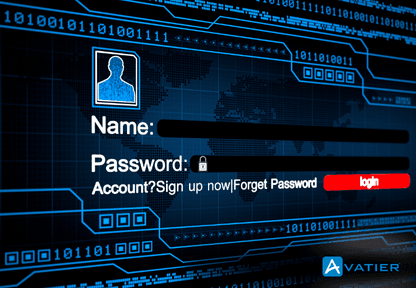
The traditional Windows authentication process was straightforward but inherently limited. Users entered credentials, and if correct, gained access. This simplicity created several challenges:
- Password Fatigue: Users managed multiple credentials across various systems.
- Security Vulnerabilities: Simple password protection proved inadequate against sophisticated attacks.
- Administrative Burden: IT teams spent countless hours managing password resets and access requests.
- Compliance Challenges: Basic authentication lacked the robust tracking and verification needed for regulatory requirements.
When we examine this evolution, it’s clear the transformation wasn’t just technological but represented a paradigm shift in how organizations view the authentication process.
The Modern Authentication Portal: A Self-Service Identity Hub
Today’s Windows authentication has evolved into a comprehensive identity management gateway that serves multiple functions:
- Unified Access Control: Integration with single sign-on (SSO) solutions enables seamless access to multiple applications.
- Self-Service Capabilities: Users can reset passwords, request access, and manage their identity information without IT intervention.
- Multi-Factor Authentication: Layered security verifies identity through multiple methods.
- Intelligent Security: AI-powered risk assessment adapts authentication requirements based on contextual factors.
- Compliance Automation: Authentication processes automatically enforce regulatory requirements.
The Business Impact of Evolved Authentication
The transformation of Windows authentication from a simple login to a self-service gateway has delivered measurable benefits to organizations across industries.
Operational Efficiency and Cost Reduction
Password resets alone represent a significant burden on IT resources. Forrester Research estimates that a single password reset costs organizations approximately $70 when accounting for all associated costs. By implementing self-service authentication solutions, organizations have dramatically reduced these expenses.
A recent Avatier customer in the manufacturing sector reduced help desk tickets by 65% after implementing self-service identity management, freeing IT staff to focus on strategic initiatives rather than routine access management tasks.
Enhanced Security Posture
Modern authentication gateways incorporate multiple security layers that traditional password-only systems cannot match:
- Adaptive Authentication: Security measures that adjust based on risk factors like location, device, and behavior patterns.
- Identity Verification: Multiple factors verify user identity beyond just knowledge-based credentials.
- Automated Provisioning and De-provisioning: Immediate access adjustments when employees join, move, or leave the organization.
According to IBM’s Cost of a Data Breach Report, organizations with advanced identity and access management solutions experienced breach costs that were 50% lower than those without such systems.
Improved User Experience
The modern authentication experience prioritizes usability alongside security:
- Reduced Friction: Single sign-on capabilities eliminate the need to remember multiple credentials.
- Self-Service Empowerment: Users gain control over their access needs.
- Consistent Cross-Platform Experience: Authentication experience remains consistent across devices and locations.
A study by Okta found that organizations implementing self-service identity solutions saw a 30% improvement in user satisfaction scores related to system access.
Key Components of Modern Windows Authentication Gateways
1. Self-Service Password Management
Self-service password management represents one of the most impactful transformations of the Windows login experience. Modern solutions allow users to:
- Reset forgotten passwords through secure verification channels
- Unlock accounts without IT intervention
- Update passwords proactively before expiration
- Synchronize password changes across multiple systems
Avatier’s Password Management solution exemplifies this approach, offering a comprehensive self-service system that integrates directly with Windows authentication while extending these capabilities across the enterprise ecosystem.
2. Identity Lifecycle Management
Today’s authentication gateways serve as the front end to sophisticated identity lifecycle management systems that:
- Automate onboarding and offboarding processes
- Manage access changes during role transitions
- Enforce access certification and periodic reviews
- Provide audit trails for compliance requirements
These capabilities ensure that authentication remains tied to current organizational roles and responsibilities, maintaining the principle of least privilege automatically.
3. Multi-Factor Authentication Integration
Modern Windows authentication has expanded beyond passwords to incorporate multiple verification factors:
- Biometric verification (fingerprint, facial recognition)
- Mobile authentication apps
- Hardware tokens
- SMS or email verification codes
- Contextual authentication factors
Avatier’s Multifactor Integration provides organizations with flexible MFA options that strengthen Windows authentication without compromising user experience.
4. Group and Access Management
Self-service group management has transformed how access is requested and granted:
- Users can request access to resources through intuitive interfaces
- Approval workflows route requests to appropriate decision-makers
- Access is provisioned automatically upon approval
- Group memberships are transparently managed and auditable
These capabilities eliminate manual group management tasks while maintaining strict control over who can access sensitive resources.
Industry-Specific Applications of Modern Windows Authentication
The transformation of Windows authentication affects different industries in unique ways:
Healthcare
Healthcare organizations must balance strict regulatory requirements with the need for quick access in critical situations. Modern authentication solutions help by:
- Enforcing HIPAA compliance through proper access controls
- Providing emergency access protocols for urgent clinical needs
- Maintaining detailed audit trails for patient data access
- Enabling fast authentication for clinicians moving between workstations
Avatier’s healthcare-specific identity management addresses these unique challenges while maintaining HIPAA compliance.
Financial Services
Financial institutions face some of the most sophisticated attacks while operating under strict regulatory frameworks:
- Multi-layered authentication protects high-value transactions
- Behavioral analytics identify unusual access patterns
- Privileged access management controls administrative capabilities
- Automated compliance controls satisfy regulatory requirements
These protections transform the basic Windows login into a robust security framework tailored to financial services needs.
Education
Educational institutions manage complex identity lifecycles with regular turnover of students and varying access needs:
- Automated provisioning handles seasonal enrollment changes
- Role-based access adjusts permissions based on student/faculty status
- Integration with learning management systems provides seamless access
- FERPA compliance controls protect student information
Avatier’s education-focused identity solutions address these challenges while maintaining FERPA regulatory compliance.
AI and the Future of Windows Authentication
Artificial intelligence is driving the next evolution of Windows authentication, transforming it from a reactive security measure to a proactive identity intelligence system.
Predictive Access Management
AI algorithms analyze usage patterns to anticipate access needs and security risks:
- Automatic access suggestions based on role similarities
- Proactive identification of excessive permissions
- Detection of abnormal access patterns before breaches occur
- Continuous adaptation to evolving organizational structures
Contextual Authentication
Modern authentication systems evaluate multiple contextual factors to determine appropriate access levels:
- Location-based security adjustments
- Time-sensitive access controls
- Device-specific authentication requirements
- Behavioral biometrics that analyze typing patterns and interaction habits
Natural Language Processing for Access Requests
Emerging solutions are incorporating natural language interfaces that allow users to make access requests in conversational language:
- “I need access to the marketing analytics dashboard”
- “Request permission to join the product development team”
- “Grant my team temporary access to the client presentation folder”
These interfaces simplify the access request process while maintaining proper controls and approvals.
Implementation Challenges and Best Practices
Organizations transforming their Windows authentication into a self-service gateway face several common challenges:
Change Management
Users accustomed to traditional authentication methods may resist new processes. Successful implementations include:
- Clear communication about benefits and procedures
- Phased rollout of new capabilities
- User training and support resources
- Quick-win demonstrations that showcase immediate benefits
Integration Complexity
Modern authentication systems must integrate with diverse enterprise applications:
- Legacy systems with limited authentication capabilities
- Cloud services with their own identity frameworks
- Third-party applications with unique authentication requirements
- Mobile platforms requiring specialized authentication approaches
Avatier’s extensive application connector library addresses this challenge by providing pre-built integration with hundreds of common enterprise applications.
Balancing Security and Usability
The most sophisticated security measures fail if users find ways to circumvent them. Successful implementations:
- Apply appropriate security levels based on resource sensitivity
- Streamline high-frequency authentication scenarios
- Provide clear explanations for security requirements
- Offer fallback methods when primary authentication methods aren’t available
Measuring Success: KPIs for Modern Authentication
Organizations should track specific metrics to evaluate the effectiveness of their modern authentication implementations:
Operational Metrics
- Help desk ticket reduction: Percentage decrease in password-related support tickets
- Access provisioning time: Duration from request submission to access grant
- Authentication failure rate: Frequency of failed authentication attempts
- Self-service adoption rate: Percentage of users leveraging self-service capabilities
Security Metrics
- Security incident reduction: Decrease in identity-related security events
- Compliance violation rate: Frequency of access policy violations
- Password strength scores: Measurements of credential security
- Privileged account usage: Patterns in administrative access
User Experience Metrics
- Authentication time: Duration of the login process
- User satisfaction scores: Feedback on authentication experience
- Authentication friction points: Areas where users experience difficulty
- Feature adoption rates: Utilization of advanced authentication capabilities
Case Study: Global Manufacturing Corporation Transforms Windows Authentication
A leading global manufacturing company with 50,000 employees across 30 countries faced significant challenges with their traditional Windows authentication:
- IT support spent over 2,000 hours monthly on password resets
- Inconsistent access provisioning created security gaps
- Compliance audits revealed authorization documentation issues
- Users experienced authentication friction when accessing systems remotely
After implementing Avatier’s comprehensive identity management solution with self-service capabilities integrated into their Windows authentication:
- Password-related help desk tickets decreased by 83%
- User provisioning time reduced from days to minutes
- Compliance audit findings decreased by 92%
- User satisfaction with system access improved by 76%
This transformation delivered an estimated annual savings of $3.2 million through reduced IT support costs, improved productivity, and avoided compliance penalties.
Conclusion: The Future Is Intelligent Authentication
The transformation of Windows authentication from simple password entry to an intelligent self-service gateway represents one of the most significant advancements in enterprise security and user experience. Organizations that embrace this evolution gain multiple benefits:
- Enhanced Security: Multi-layered protection against increasingly sophisticated threats
- Operational Efficiency: Reduced IT support burden through self-service capabilities
- Improved Compliance: Automated enforcement of regulatory requirements
- Better User Experience: Simplified access with reduced friction
- Strategic Advantage: Reallocation of IT resources from routine tasks to innovation
As identity continues to become the primary security perimeter, organizations that transform their Windows authentication into intelligent, self-service identity gateways position themselves for success in an increasingly complex digital landscape.
The login screen has evolved from a simple barrier to an intelligent gateway that balances security, compliance, and user experience. By embracing this transformation, organizations can turn what was once just a security checkpoint into a strategic asset that enhances productivity, strengthens security, and delivers measurable business value.
For organizations looking to begin or advance this transformation, Avatier’s identity management services provide comprehensive solutions that integrate seamlessly with existing Windows environments while delivering the advanced capabilities needed for modern authentication.
Try Avatier Today