December 3, 2025 • Mary Marshall
Password Pattern Detection: Stopping Predictable Credential Creation Before Hackers Do
Discover how AI-powered password pattern detection can eliminate predictable credentials, strengthen your security posture.
Passwords remain the primary authentication method for most organizations despite their well-documented vulnerabilities. A shocking 81% of confirmed data breaches involve weak, default, or stolen credentials, according to the Verizon Data Breach Investigations Report. Even more concerning, 42% of organizations experienced a credential-based attack in the past year alone.
The problem isn’t just that users choose weak passwords—they follow predictable patterns that sophisticated hackers can easily exploit. This article explores how modern password pattern detection technology can help organizations prevent predictable credential creation before attackers can exploit these weaknesses.
The Predictable Nature of User-Created Passwords
Despite years of security awareness training, humans are remarkably consistent in how they create passwords. Consider these common patterns:
- Personal Information: Names, birthdays, addresses, or company information
- Simple Substitutions: Replacing letters with numbers (e.g., “p@$$w0rd”)
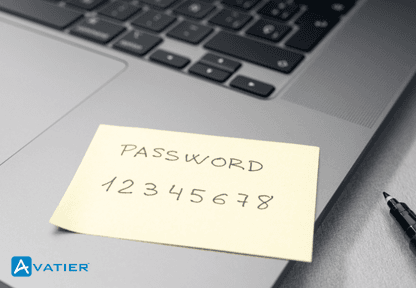
- Keyboard Patterns: Sequential characters like “qwerty” or “12345”
- Common Words: Dictionary words with minimal modifications
- Previously Breached Credentials: Reusing passwords exposed in prior breaches
Research from Microsoft shows that 73% of users duplicate passwords across personal and work accounts. Even more concerning, when forced to change passwords, 41% of users follow predictable modification patterns like incrementing a number or changing a single character.
These predictable behaviors create an exploitable attack surface. As organizations implement multi-factor authentication and other advanced security measures, attackers increasingly target these human-generated credential weaknesses.
How Password Pattern Detection Works
Modern password pattern detection technology uses sophisticated algorithms to identify and block predictable password creation attempts before they become part of your security ecosystem. Unlike basic password policies that simply enforce complexity requirements, pattern detection examines multiple dimensions:
1. Contextual Analysis
Advanced pattern detection examines how a password relates to user-specific information, checking for variations of:
- Username or email address components
- Full name, initials, or name fragments
- Company name or industry terms
- Address components or phone numbers
2. Historical Pattern Recognition
The system analyzes password modification patterns to prevent predictable changes:
- Detecting incremental changes (password1, password2)
- Identifying character substitutions (p@ssw0rd)
- Flagging reversed or scrambled previous passwords
3. Breach Database Comparisons
Modern solutions check new passwords against databases of compromised credentials:
- Comparing against billions of previously breached passwords
- Identifying variations of known compromised passwords
- Analyzing newly created passwords against emerging breach patterns
4. Machine Learning Algorithms
The most sophisticated solutions employ AI to detect subtle patterns:
- Learning organization-specific password creation tendencies
- Identifying emerging password patterns across user groups
- Adapting to new evasion techniques users employ to circumvent policy
The Business Impact of Weak Password Patterns
The financial consequences of credential-based attacks extend far beyond immediate breach costs. Organizations face:
- Data Breach Expenses: The average cost of a data breach reached $4.45 million in 2023, with credential attacks being the most common initial access vector
- Regulatory Penalties: GDPR, CCPA, HIPAA and other regulations impose significant fines for inadequate security controls
- Operational Disruption: Credential-based ransomware attacks cause an average of 23 days of business disruption
- Reputational Damage: 60% of small businesses close within six months of a significant security breach
For regulated industries like healthcare, financial services, and government, the stakes are even higher. HIPAA violations can result in fines up to $1.5 million per year for repeated violations, while financial institutions face stringent requirements under regulations like SOX, GLBA, and PCI DSS.
Implementing Effective Password Pattern Detection
Deploying pattern detection technology requires a strategic approach that balances security with user experience. Here’s how organizations can implement these solutions effectively:
1. Integration with Identity Management Infrastructure
Password pattern detection should seamlessly integrate with your existing identity management architecture. This ensures consistent enforcement across all password creation and reset workflows, including:
- Initial account creation processes
- Self-service password reset platforms
- IT-assisted password changes
- Password synchronization across systems
2. Customizable Policy Framework
The most effective solutions allow security teams to tailor pattern detection rules to their specific risk profile:
- Adjustable pattern sensitivity levels for different user groups
- Custom dictionaries for industry-specific terms
- Configurable blocking vs. warning thresholds
- Granular policy exceptions for specific use cases
3. Educational Feedback Mechanisms
When blocking a password, the system should provide clear, educational feedback:
- Specific explanation of which pattern triggered the rejection
- Constructive guidance on creating stronger alternatives
- Visual strength indicators that respond in real-time
- Examples of better password construction approaches
4. Monitoring and Reporting Capabilities
Comprehensive analytics help security teams understand password pattern vulnerabilities:
- Trend analysis of pattern violation attempts
- User group pattern tendencies
- Effectiveness metrics for pattern detection policies
- Integration with security information and event management (SIEM) solutions
Beyond Pattern Detection: Comprehensive Password Security
While pattern detection is crucial, it’s most effective as part of a comprehensive password management strategy. Organizations should implement:
1. Multi-Factor Authentication
MFA remains the most effective mitigation against password-based attacks, reducing account compromise risk by up to 99.9%. Modern multifactor authentication solutions offer flexibility while maintaining security:
- Biometric authentication options
- Push notifications to registered devices
- Time-based one-time passwords (TOTPs)
- Hardware security keys
- Adaptive MFA based on risk signals
2. Self-Service Password Management
Self-service options reduce help desk burden while enforcing strong policies:
- Secure, multifactor-protected reset workflows
- Knowledge-based authentication backup methods
- Risk-based authentication for recovery processes
- Comprehensive audit logging of all password activities
3. Password-Less Authentication Options
For high-security environments, eliminating passwords entirely may be appropriate:
- FIDO2/WebAuthn protocols
- Certificate-based authentication
- One-time password tokens
- Biometric authentication systems
4. Continuous Monitoring and Breach Detection
Implementing ongoing monitoring ensures rapid response to compromise:
- Dark web monitoring for exposed credentials
- Behavior-based anomaly detection
- Automated account lockdown on suspicious activity
- Regular password security posture assessments
Case Study: Financial Services Implementation
A mid-sized financial institution implemented Avatier’s Password Bouncer pattern detection technology after discovering widespread password pattern vulnerabilities during a security assessment. Prior to implementation, their standard complexity requirements (8+ characters, mixed case, numbers, and symbols) created a false sense of security while users created predictable variations of the same few passwords.
After deploying comprehensive pattern detection:
- Initial password reset failure rate was 62% as users attempted predictable patterns
- User education reduced pattern-based rejections to under 15% within 60 days
- Credential-based attacks decreased by 73% over six months
- Help desk password reset calls decreased by 34% due to improved self-service tools
- The organization passed compliance requirements for GLBA, SOX and PCI DSS
The institution’s CISO noted: “Pattern detection revealed that our supposedly complex passwords were following predictable patterns. Once we implemented proper detection and education, our overall security posture dramatically improved.”
Best Practices for Password Pattern Detection Implementation
Organizations implementing pattern detection should follow these best practices:
- Start with a Password Security Assessment: Analyze current password patterns using anonymized credential hashes to identify organizational-specific vulnerabilities.
- Implement Gradually: Begin with warning-only mode to educate users before enforcing blocking rules.
- Provide Clear User Guidance: Develop educational resources explaining why certain patterns are rejected and how to create genuinely secure alternatives.
- Create Role-Based Policies: Apply stricter pattern detection to privileged accounts and users with access to sensitive data.
- Regular Policy Reviews: Review pattern detection effectiveness quarterly, adjusting rules based on attempted circumvention patterns.
- Maintain Comprehensive Audit Trails: Document all policy changes and exceptions for compliance purposes.
- Integrate with Access Governance: Ensure pattern detection is part of your broader identity governance strategy.
Conclusion
Predictable password patterns represent one of the most exploitable vulnerabilities in modern security environments. As attackers increasingly target these human tendencies, organizations must implement sophisticated pattern detection to prevent predictable credential creation.
By deploying comprehensive password management solutions with advanced pattern detection capabilities, enterprises can significantly reduce their attack surface while maintaining usability. Pattern detection technology like Password Bouncer provides an essential layer of defense against the persistent threat of credential-based attacks.
As organizations continue their zero-trust journey, eliminating predictable password patterns isn’t just a security best practice—it’s a fundamental requirement for modern cyber resilience. The technology to detect and prevent these patterns exists today; implementing it should be a priority for every security-conscious organization.