June 19, 2025 • Mary Marshall
Network Security Tools: Identity Integration using Avatier
Explore how Avatier revolutionizes identity integration for enhanced network security, automated workflows meet zero-trust principles.
Network security remains a top priority for organizations. Identity integration stands as a core component of robust security strategies. Among the leading solutions transforming identity management is Avatier, an innovator in providing cutting-edge tools that simplify access and enhance security for global workforces. This article delves into how Avatier’s identity integration tools revolutionize network security, highlighting why it stands as a formidable competitor to Okta, SailPoint, and Ping Identity.
The Importance of Identity Integration in Network Security
Identity integration is central to modern network security. As enterprises adopt hybrid cloud environments, ensuring secure access across various platforms is challenging. According to Gartner, by 2023, 75% of security failures will result from inadequate management of identities,_credentials, and privileges. This emphasizes the need for robust identity management systems that can unify workflows and ensure seamless user experiences while maintaining strict security protocols.
Avatier’s focus on identity integration supports organizations in bridging security gaps that arise from fragmented identity systems. By leveraging automation and AI-driven security enhancements, Avatier offers a comprehensive solution that addresses identity management challenges effectively.
Avatier: Unified Workflow Simplification
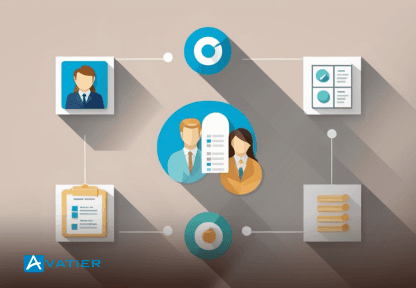
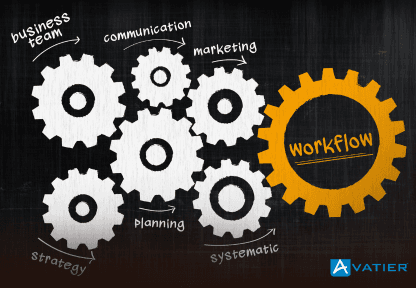
Avatier is at the forefront of integrating identity management solutions designed to unify and streamline workflows. The process of identity integration with Avatier involves seamless connectivity across various platforms, ensuring that users have appropriate access without compromising security. This unified approach not only simplifies management for IT administrators but enhances the overall security posture of an organization.
Key Features of Avatier’s Identity Integration:
- Automated User Provisioning: Avatier’s solution automates the entire user lifecycle—from onboarding to offboarding. This automation minimizes manual errors and speeds up processes, ensuring that users gain necessary access quickly and securely. For more about user provisioning, visit Avatier’s automated workflow resource page.
- AI-Driven Security Enhancements: Avatier incorporates artificial intelligence to enhance security measures. By analyzing behavioral patterns and identifying anomalous activities, AI in identity management helps preempt security incidents before they occur.
- Zero-Trust Security Model: Adopting zero-trust principles means that every access request is meticulously vetted and verified, reducing vulnerabilities associated with implicit trust. Avatier’s architecture ensures that access is continually monitored and controlled, aligning with modern security frameworks.
Competitor Analysis: A Shift to Avatier
Organizations contemplating services from Okta, SailPoint, or Ping often seek solutions that offer flexibility, cost efficiency, and innovative security measures. Here’s a breakdown of why Avatier might be the preferable choice for security leaders:
- Cost-Effective Solutions: Avatier’s containerized identity framework offers flexibility and avoids vendor lock-in, allowing organizations to leverage competitive pricing and technological advancements without being tied to a specific provider’s ecosystem.
- Enhanced User Experience: Self-service capabilities are at the core of Avatier’s offerings. By empowering users to manage their identity requests autonomously, bottlenecks are reduced, and IT departments are relieved of repetitive tasks. Explore more about self-service capabilities at Avatier’s identity management resources page.
- Multifactor Integration: Avatier facilitates multifactor authentication across its platforms, enhancing security without sacrificing user convenience. For detailed insights, visit the multifactor integration page.
Industry Insights: Trends Influencing Identity Integration
As security frameworks evolve, several key trends are shaping the landscape of identity integration:
- Edge Computing and IoT: The growth of edge computing and IoT devices demands secure identities at every endpoint. Avatier’s flexible architecture is designed to accommodate these expansions, ensuring continuous security across all networks.
- Regulatory Compliance: Meeting compliance standards like GDPR and HIPAA is an ongoing challenge for enterprises. Avatier’s identity management solutions are built to align with these standards, providing organizations the tools to maintain compliance effortlessly.
- Cybersecurity Skills Gap: The shortage of skilled IT security professionals underscores the need for intuitive tools that reduce complexity. Avatier’s solutions are crafted to bridge this gap through automation and self-service, minimizing the reliance on specialized skills.
Conclusion: Empowering Security Through Innovation
Network security tools are crucial for safeguarding organizational data and assets in today’s digital age. Avatier’s commitment to unifying workflows and integrating advanced identity management features positions it as a leader in the field. Whether considering identity solutions from Okta, SailPoint, or Ping, organizations will find that Avatier offers distinct advantages in flexibility, cost-efficiency, and user empowerment.
As enterprises continue to navigate the complexities of network security, Avatier remains a trusted partner in providing seamless, self-service identity integration that not only meets but anticipates the demands of a rapidly evolving digital landscape.