September 3, 2025 • Mary Marshall
AI-Driven Automation: How Avatier Eliminates Manual Intervention vs Microsoft’s Legacy Approach
Explore how Avatier’s AI-driven automation revolutionizes identity management compared to Microsoft’s manual methods.
The distinction between manual intervention and automation can be night and day. Avatier, a leader in identity management solutions, challenges traditional models like Microsoft’s by leveraging AI-driven automation to transform the landscape of identity governance.
The Challenge with Manual Intervention
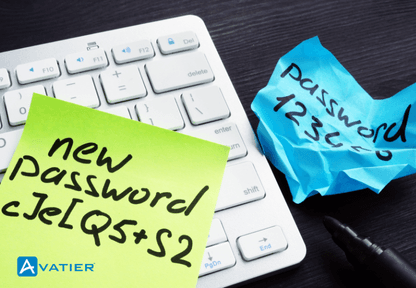
Historically, identity management has been synonymous with manual intervention—time-consuming processes that demand human oversight, potentially leading to errors and inefficiencies. For many, solutions like Microsoft’s traditional Active Directory provide robust identity solutions but often depend heavily on significant manual labor and oversight to handle user access, provisioning, and password management.
According to a survey conducted by Ponemon Institute, corporations annually spend over $3.92 million on data breaches, exacerbated by manual errors. The increased potential for human error underlines the need for a shift towards more automated systems. With technological advancements at their disposal, businesses cannot afford to ignore the efficiency and cost savings automation promises.
Avatier’s AI-Driven Solution
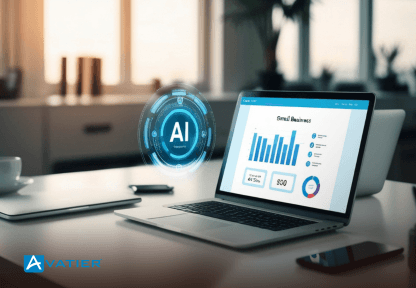
Avatier’s answer lies in its AI-driven workflow automation, an innovative approach that minimizes human intervention while maintaining rigorous security standards. This model streamlines identity management processes by introducing machine learning algorithms that continuously evolve to detect anomalies and ensure zero-trust security.
- Automation in User Provisioning:
Avatier automates user provisioning to elevate security and efficiency, fitting seamlessly into existing IT infrastructures. Using sophisticated AI algorithms, Avatier’s solution ensures that user accounts are automatically created, updated, or deactivated according to company policy. This reduces the burden on IT departments and lessens the risk of incorrect permissions or access, a notable flaw in manual processes. - Enhanced Security with AI:
Avatier’s AI capabilities offer heightened security features like proactive threat detection and response. Unlike manual systems that react post-incident, Avatier’s AI can anticipate and counteract threats, thus securing enterprise data with unprecedented foresight. - Self-Service Password Management:
With Avatier’s self-service password reset tool, employees gain autonomy over their credentials. AI-driven verification processes ensure that security isn’t compromised, allowing employees to reset passwords swiftly without burdening IT staff or creating help desk tickets.
AI vs. The Human Element in Identity Management
The role of AI in identity management transcends mere automation; it fosters a security culture rooted in zero trust. Avatier’s approach negates the pitfalls of traditional manual systems, which can often be labor-intensive and prone to errors. This strategic realignment of tasks from manual oversight to AI-controlled environments ensures that businesses remain competitive without sacrificing security.
A leading industry report from Gartner estimates that by 2023, over 75% of security failures are expected to result from inadequate identity management, primarily due to residual reliance on manual systems. By reducing manual dependencies, Avatier’s AI system not only mitigates risks but also aligns IT practices with modern cybersecurity frameworks.
Competitive Edge in Identity Management
While competitors like Okta and SailPoint offer commendable services in the identity management realm, Avatier distinguishes itself through its AI-driven approach. Organizations pondering a shift from providers like Microsoft stand to gain immense agility and security enhancements by transitioning to Avatier’s ecosystem.
Okta offers robust features but often involves multiple third-party integrations, adding layers of complexity. Avatier, by contrast, offers a unified platform where automation and AI work in tandem to deliver effortless identity management at a lower total cost of ownership.
Conclusion
In an era where digital transformation accelerates at breakneck speed, choosing an identity management partner that aligns with your organization’s growth and security needs is imperative. Avatier’s commitment to AI-driven automation offers enterprises a chance to redefine their identity management processes, reducing manual errors and enhancing security.
For those evaluating identity management solutions and considering Okta or Microsoft, Avatier presents a compelling case for transition—offering not just a platform, but a strategic ally in securing a more efficient and safer digital future.