January 3, 2026 • Mary Marshall
The Psychology of Self-Service: Why Users Avoid Calling the Help Desk
Explore why 78% of users prefer self-service identity management options over help desk calls. Learn how self-service solutions reduce costs
Nothing frustrates employees more than waiting on hold for IT support. According to a recent study by HDI, 72% of users would rather solve their own technical problems than contact the help desk. This preference for self-service isn’t just about convenience—it’s deeply rooted in human psychology and has significant implications for enterprise identity management.
The Hidden Cost of Help Desk Dependence
The numbers tell a compelling story: Gartner research shows that password reset requests account for 20-50% of all help desk calls, with each call costing organizations between $25-$70. For large enterprises, this translates to millions of dollars annually spent on simply helping users regain access to their accounts.
But the cost goes beyond dollars and cents. When employees can’t access critical systems, productivity suffers. A survey by Forrester found that employees lose an average of 12.5 hours annually waiting for password reset assistance, resulting in significant operational delays and frustration.
Why Users Avoid Calling the Help Desk: The Psychological Factors
1. The Autonomy Principle
Humans have an innate desire for self-determination. Research in psychological autonomy shows that people experience greater satisfaction when they can solve problems independently. When users have to call the help desk, they surrender control over their workflow and become dependent on someone else’s timeline.
2. The Embarrassment Factor
Many users feel a sense of shame when contacting IT support for what they perceive as “simple” issues like password resets. This phenomenon, which psychologists call “technology shame,” can prevent users from seeking timely help, leading them to work around security protocols or delay addressing access issues.
3. Time Perception and Workflow Disruption
Our perception of time changes when we’re waiting for assistance. What might be a 10-minute wait for help desk support can feel significantly longer when it interrupts a productive workflow. This cognitive bias makes help desk interactions seem more time-consuming than they actually are, further discouraging users from seeking support.
4. The Millennial and Gen Z Factor
Younger generations have grown up with self-service technology as a norm. According to a Microsoft study, 77% of 18-34-year-olds expect to find self-service options when interacting with technology. As these demographics increasingly dominate the workforce, the demand for self-service identity management solutions will only grow.
The Self-Service Revolution in Identity Management
Forward-thinking organizations are responding to these psychological factors by implementing Identity Anywhere Password Management solutions that empower users to handle their own identity needs. These platforms leverage several key technologies:
AI-Driven Self-Service
Modern password management systems use artificial intelligence to streamline the user experience. Natural language processing helps users articulate their needs without technical jargon, while predictive analytics can anticipate common issues before they become problems.
Omnichannel Access Recovery
The best self-service solutions provide multiple channels for users to reset passwords or request access. Whether through mobile apps, chatbots, web portals, or even voice assistants, users can choose the method that best fits their working style and context.
Zero-Trust Security with Maximum Convenience
Despite the emphasis on user autonomy, effective self-service solutions must maintain robust security. Multifactor authentication integration ensures that self-service doesn’t become a security vulnerability, balancing convenience with proper identity verification.
The Business Case for Self-Service Identity Management
Dramatic Cost Reduction
Organizations that implement self-service password management typically see help desk call volume decrease by 30-50%, according to HDI research. For large enterprises, this can represent millions in annual savings.
Enhanced Security Posture
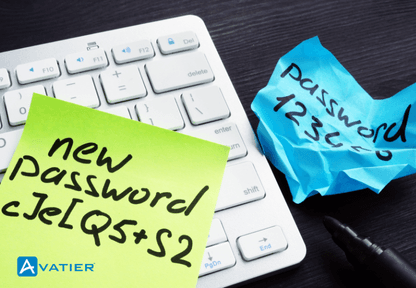
When users have access to intuitive self-service tools, they’re less likely to engage in risky workarounds like password sharing or writing credentials on sticky notes. A study by the Ponemon Institute found that organizations with self-service identity solutions experienced 45% fewer security incidents related to access management.
Improved Employee Experience
Employee satisfaction increases significantly when they can resolve identity issues quickly without interruption. A ServiceNow survey revealed that 83% of employees reported higher job satisfaction when provided with effective self-service IT options.
Implementing Effective Self-Service Identity Solutions
1. Focus on User Experience Design
The most successful self-service implementations prioritize intuitive design. Enterprise password management software should require minimal training and work seamlessly across devices. The goal is to make self-service the path of least resistance.
2. Integrate with Existing Workflows
Self-service solutions shouldn’t exist in isolation. Integration with communication tools like Teams, Slack, or email ensures that users can access help without switching contexts, further reducing friction.
3. Deploy Intelligent Authentication Methods
Modern password management solutions implement risk-based authentication that adjusts security requirements based on contextual factors. This means simple requests can be handled with minimal verification while sensitive operations trigger additional security checks.
4. Provide Multichannel Support
Different users prefer different interfaces. A comprehensive self-service strategy includes mobile apps, desktop applications, web portals, and integration with virtual assistants. This multichannel approach ensures that help is available wherever users need it.
5. Measure and Optimize
Continuous improvement requires data. Track metrics like self-service adoption rates, resolution times, and user satisfaction to identify opportunities for refinement. The most successful organizations view self-service not as a one-time implementation but as an evolving capability.
Real-World Success: Self-Service in Action
Organizations that have implemented comprehensive self-service identity management solutions report dramatic benefits:
- A global financial services firm reduced password-related help desk tickets by 83% within three months of deploying self-service password management.
- A healthcare network calculated ROI of 321% on their self-service identity implementation, with the solution paying for itself in under six months.
- A manufacturing company saw employee satisfaction with IT services increase from 65% to 89% after implementing self-service password reset tools.
The Future of Self-Service Identity Management
As artificial intelligence and machine learning technologies mature, self-service identity solutions will become even more intuitive and proactive. Future systems will:
- Predict and prevent access issues before users encounter them
- Provide personalized security recommendations based on user behavior
- Automatically adjust access rights based on role changes and project assignments
- Integrate biometric authentication for frictionless identity verification
Conclusion: Empowering Users Benefits Everyone
The psychological factors that drive users away from help desk interactions aren’t going away. Rather than fighting these tendencies, forward-thinking organizations are embracing them by implementing robust self-service identity management solutions.
By understanding and working with user psychology rather than against it, enterprises can simultaneously improve security, reduce costs, and enhance the employee experience. Identity Anywhere Password Management solutions that prioritize user autonomy while maintaining enterprise-grade security represent the future of identity management.
As help desks evolve from reactive support centers to strategic enablers of digital transformation, self-service capabilities will become increasingly critical. Organizations that invest in these solutions now will be well-positioned to meet the expectations of the modern workforce while strengthening their security posture and optimizing operational efficiency.
Ready to reduce help desk calls and empower your users with self-service identity management? Discover how Avatier’s Password Management solutions can transform your organization’s approach to identity security while improving the user experience.