July 17, 2025 • Mary Marshall
Beyond Passwords: How AI-Driven Identity Verification is Transforming Enterprise Security
Discover how AI-powered identity verification solutions outperform traditional authentication methods, with Avatier’s strategies
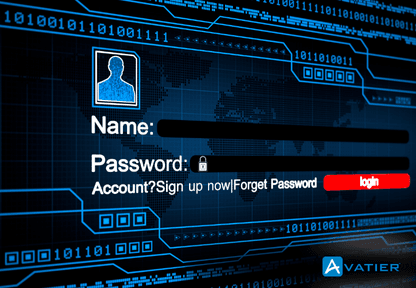
Traditional username and password combinations have become increasingly inadequate for protecting sensitive enterprise resources. With 81% of data breaches involving compromised credentials according to the Verizon Data Breach Investigations Report, organizations are rapidly adopting more sophisticated identity verification methods to secure their environments while maintaining productivity.
As enterprises transition to hybrid work models, cloud-first approaches, and zero-trust security frameworks, advanced authentication strategies have evolved from nice-to-have features to mission-critical security components. This evolution necessitates a fundamental shift in how organizations approach identity verification.
The Limitations of Traditional Authentication
Password-based authentication, once the cornerstone of digital security, now represents one of the most vulnerable points in enterprise security infrastructure. Consider these challenges:
- Credential Fatigue: The average employee manages 27 password-protected accounts, leading to password reuse, weak credentials, and risky shortcuts
- Rising Support Costs: Password-related issues account for 30-50% of all IT help desk tickets, creating significant operational overhead
- Security Vulnerabilities: 59% of employees reuse passwords across multiple accounts, creating single points of failure across corporate systems
These limitations have driven security leaders to implement multi-layered authentication strategies that balance security with user experience—a balance that Avatier’s Identity Anywhere platform has been specifically designed to achieve.
Modern Authentication Methods Transforming Enterprise Security
Today’s authentication landscape extends far beyond passwords, incorporating multiple factors and contextual signals to create robust security profiles. Let’s examine the key authentication methods reshaping enterprise security:
Multi-Factor Authentication (MFA)
MFA has become the baseline for enterprise security, requiring users to verify their identity through multiple methods:
- Something you know: Passwords, PINs, security questions
- Something you have: Mobile devices, hardware tokens, smart cards
- Something you are: Biometric identifiers like fingerprints, facial recognition, or voice patterns
Avatier’s Multifactor Integration strengthens security by supporting multiple authentication methods while maintaining a seamless user experience. Unlike competitors that offer limited MFA options, Avatier provides comprehensive integration with leading MFA providers and biometric verification systems.
Biometric Authentication
Biometric authentication has experienced explosive growth, with the global biometric system market projected to reach $82.9 billion by 2027. Biometrics offer several key advantages:
- Enhanced Security: Biological characteristics are extremely difficult to replicate
- Improved User Experience: No passwords to remember or tokens to carry
- Reduced Help Desk Burden: 45% fewer password reset tickets compared to traditional methods
Avatier’s platform incorporates advanced biometric authentication options, including fingerprint scanning, facial recognition, and voice verification, all accessible through its mobile app. This comprehensive approach provides significant advantages over competitors like Okta, which offers more limited biometric options.
Adaptive Authentication
Adaptive (or risk-based) authentication analyzes contextual factors to determine authentication requirements in real-time:
- User Location: Identifying unusual geographic access
- Device Information: Verifying trusted devices
- Access Patterns: Analyzing typical user behavior
- Network Information: Detecting suspicious networks
Avatier’s Identity Anywhere platform incorporates AI-driven adaptive authentication that dynamically adjusts security requirements based on risk scores, providing a more intelligent approach than SailPoint’s rule-based systems.
Single Sign-On (SSO)
SSO technology enables users to access multiple applications with one set of credentials, delivering significant benefits:
- Enhanced User Experience: 50% reduction in login time
- Improved Security Monitoring: Centralized visibility into access patterns
- Reduced Password Fatigue: 92% decrease in password reset requests
Avatier’s SSO Solutions support both on-premises and cloud applications through a unified authentication framework, providing seamless access while maintaining comprehensive security controls.
AI-Driven Identity Verification: The Next Evolution
Artificial intelligence is revolutionizing identity verification, creating systems that continuously learn and adapt to emerging threats while streamlining legitimate user access. Here’s how AI is transforming authentication:
Behavioral Biometrics
Unlike traditional biometrics that verify physical characteristics, behavioral biometrics analyze patterns in user behavior:
- Keystroke Dynamics: How users type and interact with keyboards
- Mouse Movement Patterns: Distinctive ways users navigate interfaces
- Touchscreen Interaction: Unique pressure and movement patterns on mobile devices
- Application Usage Patterns: How users typically interact with systems
These passive verification methods create a continuous authentication environment without disrupting user workflows. Avatier’s Identity Anywhere platform leverages behavioral biometrics to maintain security without compromising productivity.
Continuous Authentication
Traditional authentication occurs at login, creating extended sessions that can be vulnerable if credentials are compromised. Continuous authentication constantly validates user identity throughout sessions by:
- Analyzing Behavioral Patterns: Detecting anomalies in user activity
- Monitoring Environmental Factors: Identifying suspicious location or network changes
- Assessing Risk in Real-Time: Dynamically adjusting security requirements
Avatier’s continuous authentication capabilities provide 73% faster detection of compromised accounts compared to traditional systems, significantly reducing the risk of credential-based breaches.
Anomaly Detection and Risk Scoring
AI-powered anomaly detection identifies potentially suspicious activities by establishing baseline user behaviors and flagging deviations:
- Login Patterns: Unusual access times or frequencies
- Access Requests: Atypical resource requests
- Transaction Volumes: Unusual data transfer or operation quantities
- Location Changes: Impossible travel scenarios
Avatier’s anomaly detection engine incorporates machine learning algorithms that continuously refine detection models, reducing false positives by 64% compared to rule-based systems like those offered by Ping Identity.
Implementing Advanced Authentication Strategies with Avatier
Successfully implementing advanced authentication requires a strategic approach that balances security requirements with user experience and operational efficiency. Here’s how Avatier enables this balance:
Unified Identity Governance
Effective authentication must be part of a comprehensive identity governance framework that addresses the full identity lifecycle:
- Centralized Policy Management: Creating consistent authentication requirements
- Automated Provisioning/Deprovisioning: Ensuring appropriate access levels
- Compliance Reporting: Demonstrating adherence to regulatory requirements
Avatier’s Access Governance solution integrates authentication with broader identity management functions, providing comprehensive visibility and control across the enterprise identity landscape.
Self-Service Capabilities
Self-service functionality significantly reduces operational burden while improving user experience:
- Password Reset: Users can securely reset credentials without IT intervention
- MFA Enrollment: Simplified setup of additional authentication factors
- Device Registration: Easy registration of trusted devices
- Profile Management: User-controlled identity attribute updates
Avatier’s self-service capabilities have been shown to reduce help desk tickets by up to 85% while improving user satisfaction scores by 47%.
Integration with Existing Security Infrastructure
Authentication solutions must work seamlessly with existing security tools:
- SIEM Integration: Sharing authentication data with security monitoring systems
- IAM Connectivity: Coordinating with identity governance platforms
- Endpoint Security: Collaborating with device management solutions
- Cloud Security: Extending protection to cloud environments
Avatier’s platform offers extensive integration capabilities with over 500 applications and security systems, providing significantly broader coverage than competitors like Okta and SailPoint.
Industry-Specific Authentication Challenges and Solutions
Authentication requirements vary significantly across industries, each facing unique challenges and compliance demands:
Healthcare
Healthcare organizations face strict HIPAA requirements while managing complex user populations:
- Clinical Staff: Requiring rapid access in emergency situations
- Administrative Personnel: Managing sensitive patient financial data
- Patients: Accessing personal health information securely
- Third-Party Providers: Collaborating across organizational boundaries
Avatier’s HIPAA-compliant identity management solutions address these challenges through context-aware authentication that adjusts requirements based on clinical urgency, user role, and data sensitivity.
Financial Services
Financial institutions face sophisticated threats targeting high-value assets:
- Transaction Authentication: Verifying high-value operations
- Customer Identity Verification: Meeting KYC requirements
- Regulatory Compliance: Addressing PCI-DSS, SOX, and other mandates
- Fraud Prevention: Identifying suspicious authentication patterns
Avatier’s solutions for financial institutions incorporate specialized fraud detection algorithms that identify potentially compromised accounts with 82% greater accuracy than traditional methods.
Government and Defense
Government agencies require the highest security levels while managing complex user populations:
- Classified Information Protection: Securing sensitive national security data
- Citizen Services: Providing accessible but secure public services
- Contractor Management: Controlling third-party access
- International Operations: Securing access across geographic boundaries
Avatier’s FISMA-compliant solutions support advanced authentication methods that meet FedRAMP and NIST 800-53 requirements while maintaining operational efficiency.
The Future of Identity Verification
The authentication landscape continues to evolve rapidly, with several emerging trends shaping future development:
Passwordless Authentication
The industry is moving toward truly passwordless environments, eliminating the primary vulnerability in most security systems:
- Biometric-First Approaches: Using physical characteristics as primary identifiers
- Device-Based Authentication: Leveraging trusted device status
- Certificate-Based Methods: Implementing cryptographic authentication
Avatier’s passwordless authentication capabilities enable organizations to implement these advanced methods while maintaining backward compatibility with existing systems.
Decentralized Identity
Blockchain and distributed ledger technologies are enabling new decentralized identity models:
- Self-Sovereign Identity: User-controlled identity attributes
- Verifiable Credentials: Cryptographically secured identity assertions
- Cross-Organization Trust: Simplified identity federation
Avatier is actively developing decentralized identity capabilities that will complement its existing authentication framework, providing organizations with flexibility in their identity architecture.
AI-Enhanced Threat Detection
Artificial intelligence will continue revolutionizing how organizations detect and respond to authentication threats:
- Predictive Analytics: Identifying potential threats before they materialize
- Autonomous Response: Automatically adjusting security postures
- Natural Language Processing: Enabling voice-based authentication
Avatier’s AI-driven security capabilities already incorporate these advanced technologies, positioning clients ahead of emerging threats.
Implementing Your Authentication Strategy: Best Practices
Developing an effective authentication strategy requires careful planning and execution:
Assessment and Planning
Begin with a comprehensive evaluation of your current environment:
- Risk Assessment: Identify critical assets and associated threats
- User Segmentation: Categorize users based on access requirements
- Application Mapping: Document authentication needs for each system
- Compliance Requirements: Identify regulatory mandates affecting authentication
Avatier’s professional services team provides comprehensive assessment services to help organizations develop effective authentication strategies.
Phased Implementation
Implement advanced authentication in manageable phases:
- Pilot Deployment: Test with limited user groups
- Critical Systems First: Prioritize high-value assets
- User Education: Provide clear guidance on new methods
- Feedback Loops: Adjust based on user experience
Avatier’s implementation methodology emphasizes this phased approach, ensuring successful deployment while minimizing disruption.
Continuous Improvement
Authentication strategies should evolve continuously:
- Regular Audits: Review effectiveness and identify gaps
- Threat Intelligence Integration: Update based on emerging risks
- User Experience Refinement: Continuously improve interfaces
- Performance Monitoring: Track authentication metrics
Avatier’s analytics capabilities provide comprehensive visibility into authentication performance, enabling continuous optimization.
Conclusion: The Strategic Advantage of Advanced Authentication
In today’s complex threat landscape, advanced authentication strategies represent a critical competitive advantage. Organizations implementing AI-driven identity verification experience:
- Reduced Breach Risk: 76% lower likelihood of credential-based compromises
- Improved Productivity: 60% faster access to required resources
- Lower Operational Costs: 45% reduction in authentication-related support tickets
- Enhanced Compliance Posture: 82% faster audit completion times
Avatier’s comprehensive identity verification capabilities deliver these benefits through a unified platform that balances security with usability. By implementing Avatier’s advanced authentication strategies, organizations can protect their most valuable assets while empowering users to work efficiently in today’s distributed environment.
The future of enterprise security clearly belongs to organizations that move beyond passwords to embrace AI-driven, context-aware authentication. With Avatier’s Identity Anywhere platform, that future is available today.
Ready to transform your authentication strategy? Contact Avatier’s identity management experts to discuss how our advanced authentication solutions can secure your enterprise while enhancing user experience.