July 17, 2025 • Mary Marshall
MFA Security: Advanced Protection Strategies using Avatier
Enhance enterprise security with Avatier’s advanced MFA strategies, incorporating AI and zero-trust for seamless, self-service protection.
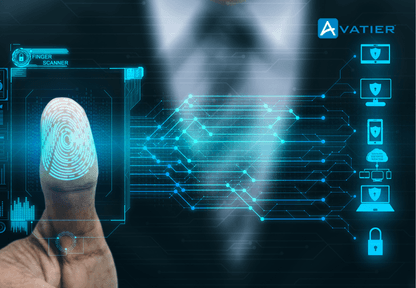
Securing access to sensitive data and systems is more crucial than ever. Multi-factor authentication (MFA) stands at the forefront of this security paradigm, providing a robust barrier against unauthorized access. Avatier, a leading provider of Identity and Access Management (IAM) solutions, offers cutting-edge MFA strategies that enhance security through innovation and AI-driven enhancements.
The Critical Need for MFA
The rise in cyber threats has significantly increased the demand for effective authentication measures. According to a report by IBM, the average cost of a data breach in 2022 was $4.24 million, a figure that underscores the financial impact of inadequate security protocols. Implementing MFA can drastically reduce the risk of unauthorized access, with studies showing that MFA can block over 99.9% of account compromise attacks.
While competitors like Okta and Microsoft Azure MFA have established presences in the market, Avatier’s approach to MFA combines traditional strengths with new technological advancements. By integrating AI and zero-trust principles, Avatier not only elevates security but also provides a seamless user experience.
Avatier’s Advanced MFA Solutions
Avatier’s MFA solutions are engineered to unify workflows, simplify access, and enhance security through self-service user experiences across global workforces. Their Identity Anywhere platform allows for flexible deployment—whether on-premise or in the cloud—facilitating seamless integration into existing systems.
Automation and AI-Driven Enhancements
One of the standout features of Avatier’s MFA is its emphasis on automation. By leveraging AI, Avatier enables organizations to streamline authentication processes, reduce human error, and increase efficiency. AI-driven security enhancements assist in identifying unusual access patterns, allowing real-time intervention and reducing the potential for breaches.
Explore More: Learn about Avatier’s AI-driven security strategies on their Identity Management Blog.
Implementing Zero-Trust Frameworks
Zero-trust security models have become a cornerstone in identity management, emphasizing “never trust, always verify.” Avatier’s integration of this model ensures that every access request is thoroughly authenticated and authorized, regardless of its origin within the network.
Avatier’s zero-trust approach is particularly valuable in scenarios involving remote workforces and third-party vendors, where traditional perimeter-based security models falter. This comprehensive framework minimizes the risk of lateral movement within networks and enhances overall security posture.
Explore More: Discover Avatier’s zero-trust implementations through their Identity Anywhere Multifactor Integration.
Seamless Self-Service User Experience
A key differentiator for Avatier is their focus on user autonomy. By providing a seamless self-service platform, Avatier empowers users to manage their authentication settings, reducing the burden on IT departments. This not only enhances user satisfaction but also facilitates faster adoption of security measures.
For example, automated user provisioning allows organizations to onboard employees swiftly and securely without extensive manual intervention. This efficiency is crucial for large enterprises that require agile responses to workforce changes.
Explore More: For detailed insights into automated user provisioning, visit Avatier’s User Provisioning Automation.
Competitive Edge: Why Choose Avatier?
While companies like Okta, SailPoint, and Ping dominate identity management, Avatier offers distinct advantages that appeal to security leaders:
- Customization: Avatier’s solutions are highly customizable, allowing enterprises to tailor their MFA strategies to specific business needs.
- Scalability: Whether you’re managing 1,000 or 100,000 users, Avatier’s platform scales efficiently without compromising performance.
- Cost-Effective: Competitive pricing models ensure that even small to medium-sized enterprises can afford state-of-the-art MFA solutions.
Industry Recognition and Statistics
Avatier has been recognized for its contributions to enhancing security in different sectors, including healthcare, financial services, and government. Their compliance with standards such as FISMA, HIPAA, and NIST further validates their commitment to security excellence.
According to a Gartner report, the demand for IAM solutions is expected to grow by 15% annually, highlighting the critical role companies like Avatier play in this expansion. By staying ahead of industry trends and continuously innovating, Avatier remains a preferred choice for organizations seeking reliable and advanced MFA solutions.
The Future of MFA and Identity Management
Looking forward, the evolution of identity management will increasingly rely on AI and machine learning to predict and thwart potential threats. As these technologies continue to integrate with MFA solutions, the capability to provide contextual authentication will pave the way for even more secure environments.
Avatier is poised to lead this transformation by continuing to enhance its offerings with intelligent security measures that not only protect but also empower organizations worldwide.
For more insights and to explore Avatier’s comprehensive suite of IAM solutions, visit their Identity Management Products.
Conclusion
In an era where digital threats are omnipresent, the role of MFA in safeguarding enterprise infrastructure is undeniable. Avatier’s advanced protection strategies provide the necessary tools for enhancing security while delivering a user-friendly experience. By choosing Avatier, organizations can secure their digital assets effectively and confidently navigate the complexities of modern identity management.
Experience the next generation of MFA solutions with Avatier—where security meets simplicity.