August 4, 2025 • Mary Marshall
Forrester Analysis: Why Identity Firewalls Beat Traditional Password Security
Discover how identity firewalls provide superior security over traditional methods in mitigating cyber threats and enhancing user experiences.
Traditional password security methods are increasingly vulnerable to advanced cyber threats. According to a Forrester analysis, identity firewalls outshine conventional passwords by leveraging a sophisticated approach to protect digital assets. Here, we explore how technology like Avatier’s Identity Anywhere platform is revolutionizing identity management to provide comprehensive security solutions.
The Shortcomings of Traditional Password Security
Traditional password security relies heavily on users creating and remembering complex passwords. However, this approach is fraught with challenges:
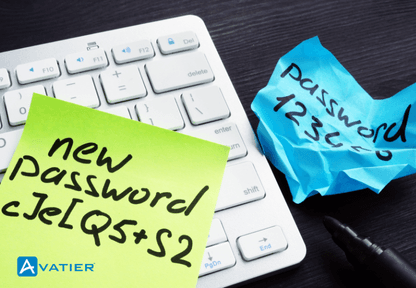
- Weak Passwords: Despite IT policies encouraging strong passwords, many users still choose weak or reused passwords due to convenience.
- Phishing Attacks: Hackers frequently utilize phishing strategies to compromise user credentials.
- Brute Force Attacks: Automated scripts can quickly crack passwords, especially if users do not follow best practices.
According to Verizon’s 2023 Data Breach Investigations Report, compromised credentials were the leading cause of breaches, accounting for 41% of cases, showcasing the vulnerabilities associated with traditional password systems.
The Rise of Identity Firewalls
Identity firewalls represent a paradigm shift in identity and access management (IAM). They offer a more secure, efficient, and user-friendly way to manage identities. Here’s how identity firewalls eclipse traditional passwords:
1. Enhanced Security Through Contextual Data
Identity firewalls use contextual data such as geolocation, device fingerprinting, and user behavior to assess risks more effectively. By analyzing these factors, identity firewalls can detect anomalies and trigger multifactor authentication (MFA) when necessary. This approach significantly reduces the chances of unauthorized access.
2. Zero-Trust Security Model
Adhering to a zero-trust security framework, identity firewalls operate on the principle of “never trust, always verify.” This means every access request is authenticated, authorized, and encrypted in real-time, regardless of the user’s location within the network. This method is key to preventing insider threats and unauthorized access.
3. Streamlined User Experience
With identity firewalls, users benefit from a streamlined experience. Through solutions like Avatier’s self-service identity management, users can reset passwords and recover accounts autonomously, reducing helpdesk calls and improving productivity. Furthermore, Identity Anywhere allows enterprises to integrate these processes into existing workflows seamlessly, ensuring continuity and ease of use. Explore more about Avatier’s Identity Manager.
4. Automated Risk Mitigation
Identity firewalls leverage AI-driven analytics to predict potential threats by learning user patterns over time. This proactive stance helps businesses to anticipate breaches before they occur, offering a layer of security that traditional passwords cannot compete with.
Avatier’s Identity Anywhere: A Game Changer
Avatier’s Identity Anywhere platform is at the forefront of this shift, offering businesses unparalleled security and flexibility. Its containerized architecture ensures scalability and adaptability, allowing companies to deploy either on-premises or in the cloud without vendor lock-in. Learn more about Avatier’s industry-leading identity and access management solutions.
Key Features of Avatier Identity Anywhere
- Seamless Integration: Easily integrates with diverse enterprise environments, supporting cross-platform functionality.
- AI-Driven Analytics: Utilizes machine learning to continuously monitor and adapt to evolving threats.
- User-Centric Approach: Prioritizes user convenience without compromising on security, facilitating self-service access requests and password resets.
These features empower businesses to maintain robust security postures while enhancing operational efficiency.
Industry Trends in Identity Management
The growing adoption of identity firewalls aligns with broader industry trends emphasizing digital transformation and cloud migration. As enterprises continue migrating to cloud-based solutions, identity management systems must evolve to provide comprehensive security without impeding performance.
Current Statistics:
- Cloud Adoption: A Gartner report predicts that by 2025, over 85% of enterprises will be “cloud-first,” demanding versatile security solutions.
- Identity and Access Management (IAM) Market Growth: According to a MarketsandMarkets report, the IAM market is projected to grow from $15.1 billion in 2021 to $25.9 billion by 2026, a CAGR of 11.3%.
Companies prioritizing digital security must consider integrating identity firewalls as part of their IAM strategy to protect their expanding digital footprints.
Conclusion
While traditional passwords have long been a cornerstone of cybersecurity, the landscape is rapidly evolving. Identity firewalls, with their advanced capabilities, offer superior protection, aligning perfectly with the zero-trust model and modern security needs.
Adopting solutions like Avatier’s Identity Anywhere provides organizations with a comprehensive, future-proof security framework that mitigates risk, enhances user experience, and facilitates seamless access management. Discover how Avatier can transform your enterprise’s identity management.
The transition from traditional password security to identity firewalls is not just a trend but a necessary evolution to address the sophisticated threats of the modern digital world. Embrace the change with leading solutions and stay ahead in today’s competitive business environment.