January 10, 2026 • Mary Marshall
Voice, Mobile, and Beyond: Building Omnichannel Self-Service for the Distributed Workforce
Discover how AI-driven omnichannel IM enables secure, seamless access for distributed workforces. Learn why CISOs are shifting to Avatier
The traditional office environment has given way to a distributed workforce spanning continents, time zones, and diverse technology ecosystems. As organizations adapt to this new reality, identity management has emerged as a critical foundation for secure and efficient operations. But with employees accessing resources from anywhere, at any time, and through multiple devices, legacy identity solutions are struggling to keep pace.
The Evolution of the Distributed Workforce
The global shift to remote and hybrid work models isn’t just a temporary adjustment—it’s a fundamental transformation of how businesses operate. According to recent data, 58% of American workers have the opportunity to work remotely at least one day a week, while 35% can work remotely full time. This distributed workforce presents unique challenges for identity management:
- Device proliferation: Employees use an average of 2.5 devices daily for work
- Location independence: Work happens across homes, offices, coffee shops, and airports
- Around-the-clock operations: Global teams operate across multiple time zones
- Diverse access needs: Different roles require varying levels of access to sensitive systems
Traditional identity management solutions were designed for a controlled, on-premises environment—not this dynamic, boundary-less workplace. This gap has created significant friction for both users and IT administrators.
The Self-Service Imperative
For distributed workforces, waiting for IT support to resolve identity issues isn’t just inconvenient—it’s prohibitively disruptive to productivity. Consider these statistics:
- 30% of all IT service desk tickets are password-related issues
- The average cost of a single password reset ticket is $70
- Employees spend an average of 11 hours per year dealing with password problems
These challenges have made self-service capabilities a necessity rather than a luxury in modern identity management. But true self-service goes beyond simple password resets—it encompasses the entire identity lifecycle, from onboarding to offboarding and everything in between.
Why Omnichannel Identity Management Matters
Omnichannel identity management represents the next evolution in secure access for distributed workforces. Unlike multichannel approaches that offer separate, disconnected experiences across different platforms, omnichannel delivers a unified, consistent experience regardless of how users interact with the system.
The benefits of this approach are substantial:
- Enhanced user experience: Employees can manage their identity needs through their preferred channels
- Reduced IT burden: Self-service capabilities dramatically decrease helpdesk tickets
- Improved security posture: Consistent security policies across all channels reduce risk
- Faster time-to-productivity: Streamlined access management gets employees working sooner
- Global accessibility: 24/7 availability supports global operations without IT staff expansion
Building Blocks of Omnichannel Identity Management
True omnichannel identity management encompasses several critical components:
1. Mobile-First Architecture
For today’s distributed workforce, smartphones aren’t just communication devices—they’re essential productivity tools. Mobile-first identity management acknowledges this reality by prioritizing the mobile experience.
Avatier’s Identity Anywhere approach embodies this mobile-first philosophy, providing a comprehensive identity solution that travels with employees wherever they go. With native mobile applications, employees can:
- Approve or deny access requests while on the go
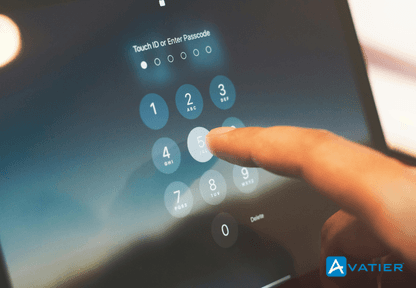
- Reset passwords without helpdesk intervention
- Verify their identity through biometric authentication
- Request access to new resources from anywhere
- Certify access reviews during downtime
This mobile-first approach ensures that identity management adapts to how people actually work, rather than forcing employees to adapt to rigid systems.
2. Voice-Enabled Identity Management
Voice interfaces represent the next frontier in frictionless identity management. By leveraging natural language processing and AI, voice-enabled identity systems allow employees to handle routine identity tasks through simple voice commands.
Imagine scenarios like:
- “Reset my sales database password”
- “Request access to the marketing analytics dashboard”
- “Approve John’s request for financial reporting access”
- “When does my access to the client portal expire?”
Voice interfaces are particularly valuable for field workers who need hands-free options, executives who prefer delegation through voice, and accessibility-focused organizations supporting employees with various needs.
3. Chatbot and Virtual Assistant Integration
Intelligent chatbots serve as another vital channel in omnichannel identity management. These AI-powered assistants can guide users through complex identity processes, answer questions, and execute routine tasks—all through conversational interfaces embedded in platforms employees already use.
Advanced identity chatbots can:
- Walk users through step-by-step access request processes
- Explain why certain access requests require additional approval
- Guide managers through access certification reviews
- Provide contextual security policy information
- Offer proactive notifications about expiring credentials
By integrating these capabilities into collaboration tools like Microsoft Teams, Slack, and workplace intranets, identity management becomes woven into employees’ daily workflows rather than existing as a separate system to navigate.
4. Desktop and Web Portals
While mobile and voice channels are increasingly important, traditional web interfaces remain essential components of omnichannel identity management. Modern self-service portals feature intuitive interfaces that simplify complex identity tasks.
Key capabilities include:
- Streamlined dashboards highlighting pending actions
- Role-based shopping cart experiences for requesting access
- Visual workflow displays showing request status
- Drag-and-drop interfaces for configuring approval chains
- Contextual help and guidance
Avatier’s Access Governance solution demonstrates how these web portals can simplify complex governance processes through intuitive interfaces that reduce training requirements and accelerate adoption.
5. Wearable Technology Support
As wearable technology becomes more prevalent in the workplace, forward-thinking identity management solutions are extending support to these devices. Smartwatches and other wearables offer unique advantages for time-sensitive identity actions:
- One-tap multi-factor authentication approval
- Quick notification of suspicious login attempts
- Proximity-based authentication for secure areas
- Just-in-time access approval for urgent requests
These capabilities are particularly valuable for healthcare professionals, manufacturing supervisors, and other roles where immediate response is crucial but accessing a phone or computer is impractical.
The Technology Foundation: Unifying the Omnichannel Experience
Building a true omnichannel identity experience requires sophisticated backend architecture that unifies these diverse channels. Key technical requirements include:
Container-Based Architecture
Traditional identity solutions with monolithic architecture struggle to support multiple channels with consistent performance. Container-based approaches offer a more flexible foundation.
Avatier’s Identity-as-a-Container (IDaaC) represents the industry’s first containerized identity management solution, delivering several key advantages:
- Independent scaling of different identity services
- Consistent deployment across on-premises and cloud environments
- Rapid updates without system-wide downtime
- Enhanced resilience through container isolation
- Simplified integration with diverse channels and systems
This containerized approach ensures consistent performance regardless of how users access the system—a critical requirement for omnichannel experiences.
Unified API Layer
Behind every successful omnichannel identity solution lies a robust API architecture. A unified API layer ensures consistent policy enforcement and user experiences across all channels while simplifying integration with both legacy systems and emerging technologies.
Advanced API capabilities should include:
- Comprehensive RESTful API coverage for all identity functions
- Webhook support for event-driven architecture
- Fine-grained access controls for API consumption
- Robust rate limiting and throttling
- Detailed API analytics and monitoring
These capabilities enable organizations to extend identity services to custom applications and third-party systems without compromising security or user experience.
AI and Machine Learning Integration
Artificial intelligence serves as the intelligence layer that makes omnichannel identity management truly responsive to user needs. AI capabilities enhance the experience across all channels through:
- Predictive access recommendations based on peer analysis
- Anomaly detection for suspicious access patterns
- Natural language understanding for voice and chatbot interfaces
- User behavior analytics to identify credential sharing
- Intelligent workflow routing based on risk assessment
By applying AI consistently across channels, organizations can deliver personalized experiences while maintaining robust security controls.
Implementing Omnichannel Identity: Best Practices
Organizations looking to implement omnichannel identity management should consider these best practices:
1. Start with User Journey Mapping
Before selecting technology, map the identity-related journeys your users experience. Identify pain points, common requests, and opportunities for self-service across different roles and departments.
Key questions to answer:
- Which identity tasks consume the most helpdesk resources?
- What identity processes create the most friction for remote workers?
- Which departments have specialized identity requirements?
- What channels do different employee groups prefer?
This analysis provides the foundation for prioritizing capabilities and channels.
2. Establish Cross-Channel Consistency
While each channel offers unique capabilities, core identity functions should work consistently across all interfaces. Users should be able to start a process in one channel and seamlessly continue it in another if needed.
Critical areas for consistency include:
- Authentication requirements
- Approval workflows
- Policy enforcement
- Status tracking
- Notification preferences
Avatier’s Identity Management Services help organizations establish this cross-channel consistency through proven implementation methodologies and best practices.
3. Incorporate Progressive Security
Security controls should adapt based on the channel, request context, and risk level. This progressive approach balances security and usability by applying appropriate controls without unnecessary friction.
For example:
- Low-risk requests via mobile might require only biometric authentication
- High-risk privileged access requests might trigger additional approvals regardless of channel
- Suspicious patterns might enforce step-up authentication
This approach ensures security remains robust while allowing routine tasks to proceed efficiently.
4. Deploy Incrementally
Rather than attempting a “big bang” implementation across all channels simultaneously, prioritize channels based on user needs and organizational readiness. A phased approach might look like:
- Deploy web portal with core self-service capabilities
- Add mobile application support for approval workflows
- Integrate chatbot functionality for common requests
- Implement voice interfaces for specialized use cases
This incremental approach delivers value faster while allowing the organization to learn and adapt along the way.
5. Measure and Optimize
Establish clear metrics to evaluate your omnichannel identity program, including:
- Self-service adoption rates by channel
- Helpdesk ticket reduction
- Time-to-provision for new access
- User satisfaction scores
- Security incident reduction
Use these metrics to continuously refine the experience and identify opportunities for expansion.
Beyond Technology: Cultural Considerations
Successfully implementing omnichannel identity management isn’t just about technology—it requires organizational alignment and cultural readiness.
Executive Sponsorship
Identity transformation requires leadership support. Executive sponsors help:
- Articulate the business value beyond technical benefits
- Secure necessary resources and funding
- Remove organizational barriers
- Model desired behaviors by embracing self-service
- Celebrate successes and communicate progress
Without this sponsorship, even the most sophisticated omnichannel identity solution may struggle to achieve widespread adoption.
Self-Service Mindset
Organizations accustomed to high-touch, IT-driven identity processes need to cultivate a self-service mindset across both IT and business units. This cultural shift involves:
- Redefining IT’s role from request processors to enablers
- Empowering employees to manage their identity needs
- Building trust in automated approval workflows
- Celebrating efficiency gains from reduced manual intervention
- Recognizing and rewarding self-service adoption
This mindset shift is essential for realizing the full potential of omnichannel identity management.
Real-World Impact: The Benefits of Omnichannel Identity Management
Organizations that successfully implement omnichannel identity management realize significant benefits across multiple dimensions:
Productivity Gains
By removing identity-related friction, employees can focus on value-creating activities rather than administrative tasks:
- 75% reduction in time spent on access requests and approvals
- 80% faster onboarding for new employees
- 90% decrease in productivity loss from password issues
- 60% reduction in time managers spend on access reviews
These productivity improvements translate directly to bottom-line benefits, particularly for knowledge workers and specialized roles.
Cost Reductions
Omnichannel self-service dramatically reduces operational costs:
- 85% reduction in identity-related helpdesk tickets
- 70% decrease in manual provisioning costs
- 40% lower total cost of ownership compared to legacy solutions
- 50% reduction in administrative overhead for compliance reporting
For large enterprises, these savings often reach into millions of dollars annually while improving service levels.
Security Enhancements
Contrary to the misconception that self-service weakens security, properly implemented omnichannel identity management strengthens overall security posture:
- 65% reduction in orphaned accounts through automated lifecycle management
- 45% improvement in access certification completion rates
- 30% decrease in over-privileged accounts
- 80% reduction in time to revoke access for departed employees
These improvements directly address the identity-related vulnerabilities that contribute to many security breaches.
Compliance Improvements
Regulatory compliance becomes more manageable with unified identity controls across channels:
- Automated evidence collection for audit requirements
- Consistent policy enforcement across all access methods
- Complete audit trails regardless of request channel
- Real-time visibility into access patterns and anomalies
These capabilities significantly reduce the effort required for compliance verification while improving overall assurance.
The Future of Omnichannel Identity Management
As technology continues to evolve, omnichannel identity management will expand to encompass new interfaces and capabilities:
Ambient Computing Integration
As smart environments become more prevalent, identity management will extend to ambient computing interfaces:
- Conference room systems that automatically provision guest access
- Smart buildings that adjust access based on physical presence
- Workspace environments that adapt to user identity and preferences
- IoT devices that authenticate users through proximity and context
These capabilities will further blur the line between physical and digital identity management.
Augmented Reality Workspaces
AR interfaces represent the next frontier for identity management in specialized environments:
- Manufacturing floors with identity-aware safety protocols
- Healthcare settings with patient data access tied to physical proximity
- Field service applications with just-in-time access to technical systems
- Training environments with role-appropriate simulation access
These emerging interfaces will require identity solutions capable of adapting to radically new interaction models.
Decentralized Identity Integration
As decentralized identity standards mature, omnichannel identity solutions will evolve to support user-controlled digital identity:
- Self-sovereign identity verification across organizational boundaries
- Portable access credentials that follow users between employers
- Blockchain-verified identity attributes reducing verification overhead
- User-controlled consent management across channels
These capabilities will transform how organizations think about identity beyond their traditional boundaries.
Conclusion: Leading the Omnichannel Identity Transformation
As organizations navigate the complexities of securing and enabling a distributed workforce, omnichannel identity management has emerged as a strategic imperative rather than merely a technological upgrade. The organizations that lead in this transformation will enjoy significant competitive advantages in operational efficiency, talent attraction, security posture, and business agility.
The path forward begins with a clear vision of how identity management should serve the organization’s broader objectives, followed by thoughtful selection of technology partners capable of delivering unified experiences across all relevant channels. Those who approach this journey strategically—considering people, process, and technology holistically—will position themselves for success in the digital workplace of tomorrow.
By implementing an omnichannel approach to identity management, organizations don’t just solve today’s distributed workforce challenges—they build a flexible foundation capable of adapting to whatever comes next in our rapidly evolving digital landscape.
Ready to transform your organization’s approach to identity management for the distributed workforce? Explore Avatier’s comprehensive identity management solutions designed specifically for today’s dynamic business environment.