July 12, 2025 • Mary Marshall
Risk Management Solutions: Identity Integration with Avatier
Discover how Avatier streamlines risk management with cutting-edge identity integration, enhancing security through automation
Identity integration stands out as a critical component for ensuring robust security and streamlined operations. As enterprises grapple with increasingly complex digital environments, the integration of identity management solutions becomes essential for mitigating risks associated with unauthorized access and data breaches. Avatier, a leading player in the identity and access management (IAM) space, offers innovative solutions that unify workflows, simplify identity management, and enhance overall security.
Why Identity Integration is Crucial for Risk Management
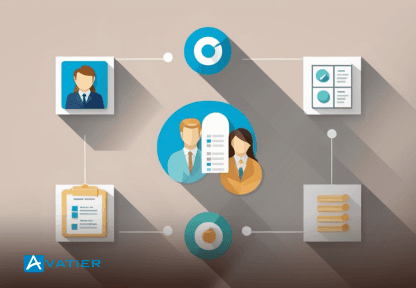
Identity integration involves consolidating user credentials and access rights across multiple systems and applications. This process provides a unified view of user identities, enabling organizations to better manage access permissions and enhance security protocols. A comprehensive identity integration strategy is vital for several reasons:
- Enhanced Security: By creating a single point of control for managing user identities, organizations can more effectively enforce security policies and detect potential threats.
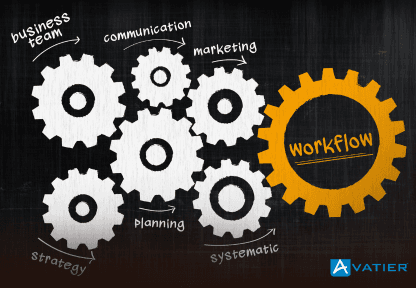
- Operational Efficiency: Integrated systems eliminate the need for redundant processes across disparate platforms, reducing the workload on IT teams and streamlining operations.
- Regulatory Compliance: Identity integration helps organizations meet stringent regulatory standards, such as GDPR, by ensuring that access to sensitive data is tightly controlled.
Advancements in technology, such as AI-driven identity management solutions, further empower businesses to secure their digital assets while maintaining operational agility.
Avatier’s Approach to Identity Integration
Avatier’s strength lies in its ability to deliver seamless identity integration tailored to the needs of diverse industries. By leveraging technologies such as automation, zero-trust principles, and AI-driven security enhancements, Avatier provides a comprehensive identity management platform that addresses the most pressing challenges faced by modern organizations.
Automation and Self-Service
Avatier’s platform utilizes automation to enforce security policies consistently across all user interactions. This automation capability not only reduces human error but also accelerates processes such as user provisioning and deprovisioning. Furthermore, the self-service features of Avatier empower users to manage their own access requests and password resets, reducing the dependency on IT support and improving response times.
Discover more about how Avatier’s solutions streamline identity integration by visiting their Identity Management features page.
AI-Driven Security Enhancements
By incorporating AI into its identity management solutions, Avatier is able to predict potential security threats and respond proactively. This AI-driven approach enables quicker detection of anomalies in user behavior, making it possible to thwart unauthorized access attempts before they can cause harm.
Zero Trust Framework
The zero-trust framework is a guiding principle in Avatier’s security strategy, ensuring that no user or device is inherently trusted. Every access request is thoroughly verified, limiting the potential for breaches. This principle is crucial in today’s environment, where threats often bypass traditional perimeter defenses.
The Competitive Landscape
Avatier competes with industry giants such as Okta, SailPoint, and Ping Identity, each offering their own IAM solutions. However, Avatier’s focus on a unified, self-service experience sets it apart. According to a Gartner report, the IAM market is expected to grow at a CAGR of 13% through 2026, underscoring the escalating demand for robust identity management solutions.
Companies such as Okta have achieved significant market presence, but Avatier’s competitive edge lies in providing customizable and scalable solutions that can adapt to the evolving needs of its clients.
Industry Trends and Best Practices
To effectively manage digital identities, organizations must stay abreast of industry trends and best practices. Here are a few considerations:
- Integration with Cloud Services: As more organizations migrate to cloud platforms, integrating identity management systems with these services becomes imperative for maintaining security.
- Emphasis on User Education: Educating users on best security practices can significantly reduce the risk of phishing attacks and credential theft.
- Regular Security Audits: Conducting regular security audits ensures that identity management systems are functioning optimally and adhering to compliance requirements.
Explore how Avatier’s solutions can help achieve seamless integration and compliance by visiting their Governance, Risk, and Compliance management solutions page.
Real-World Applications
Successful identity integration can transform an organization’s risk posture. For instance, a global financial services firm adopted Avatier’s identity management platform, which resulted in a 40% reduction in security incidents and a significant improvement in user satisfaction due to the platform’s intuitive self-service capabilities.
Conclusion
Implementing a comprehensive identity integration strategy is not just about improving security—it’s about enabling organizations to adapt and thrive in a digital-first world. Avatier’s solutions provide the flexibility, automation, and AI-driven insights necessary for achieving an effective risk management strategy. By integrating identity management processes, enterprises can not only protect their sensitive data but also empower their workforce to operate in a secure and efficient environment.
For a closer look at Avatier’s risk management capabilities, check out their IT Risk Management solutions.
As organizations continue to digitize their operations, leveraging the power of cutting-edge identity integration solutions like those offered by Avatier will be crucial in maintaining a robust security infrastructure and meeting the demands of an ever-evolving risk landscape.