December 6, 2025 • Mary Marshall
Password Reset Friction: Why User Experience Determines Security Success
Discover how password reset friction impacts security and how Avatier’s self-service reduce help desk costs while enhancing security
Passwords remain the primary authentication mechanism for most organizations, despite the rise of passwordless technologies. Yet the seemingly simple act of resetting a forgotten password has become a significant source of friction in enterprise environments. This friction doesn’t just frustrate users—it creates tangible security risks and operational costs that impact organizations’ bottom lines.
The Hidden Costs of Password Reset Friction
Password reset requests consistently rank as the most common help desk ticket across industries. According to Gartner research, each password reset ticket costs organizations between $15 and $70 when handled by IT support personnel. For enterprises with thousands of employees, this translates to millions in annual operational expenses dedicated to a single repetitive task.
Beyond the direct costs, there’s the productivity impact: employees waiting for password resets experience downtime that affects business operations. Studies show the average employee loses approximately 12.6 hours annually due to password-related issues, with nearly 4 hours of that time spent waiting for password resets.
The security implications are even more concerning. When faced with cumbersome reset processes, users develop workarounds that compromise security:
- Using simpler, less secure passwords that are easier to remember
- Reusing passwords across multiple accounts
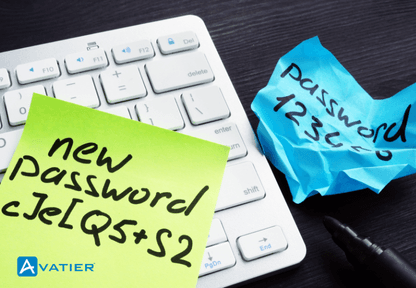
- Storing passwords in unsecured locations
- Sharing credentials with colleagues to avoid reset procedures
These behaviors directly undermine the security infrastructure organizations work so hard to establish.
Why Traditional Password Reset Approaches Fail
Most enterprise password reset solutions fall into three categories, each with significant limitations:
1. IT Help Desk Reset
The traditional approach involves calling the help desk, verifying identity, and waiting for manual reset. This method:
- Creates significant operational costs
- Introduces delays affecting productivity
- Doesn’t scale during peak demand periods
- Often provides inconsistent user experiences
2. Basic Self-Service Solutions
Early self-service password reset tools offered minimal improvement by:
- Using security questions that are often forgotten or easily guessed
- Implementing clunky interfaces requiring multiple steps
- Creating separate portals users must bookmark or remember
- Failing to integrate across diverse enterprise applications
3. Email-Based Recovery
Email recovery mechanisms:
- Create dependency loops (need password to access email to reset password)
- Introduce security vulnerabilities through email interception
- Extend reset times as users wait for emails
- Fail when users lose access to both systems simultaneously
The User Experience and Security Connection
Security and user experience have traditionally been viewed as opposing forces—increased security meant decreased usability. However, modern identity management recognizes that poor user experience doesn’t enhance security; it undermines it.
When users encounter friction, they create workarounds that circumvent security controls. Gartner notes that 57% of employees who experience difficult authentication processes admit to finding ways to bypass them. The security industry now acknowledges that effective security solutions must consider human behavior and user experience as fundamental design elements.
The Key Elements of Frictionless Password Reset
Addressing password reset friction requires a comprehensive approach that balances security, usability, and operational efficiency:
1. Multi-Channel Accessibility
Modern password reset solutions must be available wherever users work. Avatier’s Password Management solution employs an “Identity Anywhere” approach, providing password reset capabilities across multiple channels:
- Mobile applications for on-the-go access
- Desktop integration within the operating system
- Web portals for browser-based access
- Chat platforms like Microsoft Teams or Slack
- Voice assistants for hands-free operation
This multi-channel approach ensures that users can reset passwords through their preferred method without disrupting workflows.
2. Intelligent Authentication
Effective password reset solutions must verify user identity without creating unnecessary friction. This requires:
- Risk-based authentication that adjusts verification requirements based on context
- Multifactor authentication integration that leverages existing authentication methods
- Biometric options on supported devices
- Behavioral analytics to detect suspicious reset patterns
By varying the authentication requirements based on risk factors, organizations can apply appropriate security without burdening users with excessive steps during routine resets.
3. Self-Service Automation
The cornerstone of frictionless password reset is intelligent automation that removes IT staff from routine resets while maintaining security guardrails:
- Password synchronization across connected systems
- Automated enforcement of password policies
- Self-service enrollment and management of recovery methods
- Integrated workflow automation for special cases requiring approval
Automation not only improves the user experience but significantly reduces operational costs. Organizations implementing comprehensive self-service password management report help desk call reductions of 25-40% and cost savings exceeding $1 million annually for enterprises with 10,000+ employees.
4. Seamless Integration
Enterprise password solutions must integrate across the technology ecosystem:
- Direct integration with directory services (Active Directory, Azure AD, etc.)
- Support for cloud applications and services
- Connectivity with legacy systems and applications
- Integration with existing identity governance frameworks
Avatier’s application connectors enable comprehensive integration across enterprise environments, ensuring a consistent password reset experience regardless of where the password is stored or used.
Measuring Password Reset Success
Organizations should evaluate their password reset solutions using specific metrics that balance security, cost, and user experience:
User Experience Metrics:
- Reset completion rate (percentage of successfully completed resets)
- Average time to complete reset
- Number of steps required
- User satisfaction ratings
- Abandonment rate
Security Metrics:
- Unauthorized reset attempts
- Policy compliance rate for new passwords
- Authentication failure rate during resets
- Successful account compromise via reset flows
Operational Metrics:
- Help desk ticket volume for password resets
- Average resolution time
- Cost per reset
- IT staff time dedicated to password issues
By consistently tracking these metrics, organizations can identify improvement opportunities and demonstrate ROI from password management investments.
Implementing Frictionless Password Management
Successfully reducing password reset friction requires more than just deploying technology. Organizations should follow these implementation best practices:
1. Assess Current State
Before implementing new solutions, thoroughly assess the current environment:
- Document existing password reset procedures
- Gather metrics on help desk volume and costs
- Identify integration requirements across systems
- Survey users about pain points and preferences
2. Define Clear Success Criteria
Establish specific, measurable goals for the password reset initiative:
- Target reduction in help desk tickets
- User adoption rates for self-service capabilities
- Cost savings projections
- Security improvement metrics
3. Plan for User Adoption
Technology alone doesn’t solve the problem—users must embrace the new approach:
- Develop comprehensive communication plans
- Create intuitive training materials
- Provide multiple enrollment opportunities
- Consider gamification or incentives for early adoption
4. Implement in Phases
A phased approach reduces risk and builds momentum:
- Begin with pilot groups to validate the solution
- Address feedback before wider deployment
- Gradually expand to additional user groups
- Continuously improve based on usage data
5. Monitor and Optimize
Password management is not a “set and forget” solution:
- Regularly review metrics against success criteria
- Solicit ongoing user feedback
- Adjust policies and workflows based on data
- Update security measures as threats evolve
Beyond Password Reset: The Future of Authentication
While improving password reset experiences delivers immediate benefits, forward-thinking organizations are also exploring passwordless authentication options:
- Biometric authentication using fingerprints, facial recognition, or behavioral patterns
- Hardware security keys for high-security environments
- Certificate-based authentication for managed devices
- Contextual authentication using location, device, and behavior signals
These approaches eliminate password reset friction entirely by removing passwords from the equation. However, most organizations face a multi-year transition period where passwords and passwordless methods will coexist, making efficient password management an ongoing requirement.
Conclusion: User Experience as a Security Enabler
The connection between password reset friction and security outcomes is clear: when users encounter obstacles to legitimate access, they find ways around security controls. By implementing user-centric password management solutions like Avatier’s Identity Anywhere Password Management, organizations can transform password resets from a security liability into a security enabler.
Effective password management delivers a triple benefit: improved security through policy compliance, reduced operational costs through automation, and enhanced productivity through frictionless user experiences. In the ongoing battle to secure enterprise resources, addressing password reset friction represents one of the most accessible and high-impact improvements organizations can make.
For IT leaders and security professionals seeking to enhance both security and user satisfaction, implementing a modern, self-service password management solution should be a top priority. The technology, best practices, and measurable ROI make this an initiative that benefits all stakeholders—from end users to security teams to financial decision-makers.
Ready to reduce password reset friction in your organization? Learn more about Avatier’s comprehensive password management solutions and how they can transform your security posture while improving user experiences.