January 4, 2026 • Mary Marshall
The Evolution of Help Desk Security: From Trust to Verify
Discover how modern help desks are evolving from trust-based systems to zero-trust verification models, enhancing security.
The traditional paradigm of “trust but verify” has given way to a more secure approach: “never trust, always verify.” This fundamental shift reflects a necessary response to increasingly sophisticated security threats targeting one of the most vulnerable entry points in enterprise security—the help desk.
The Traditional Help Desk Security Model: Trust-Based Operations
Historically, help desks operated on trust as a foundational principle. Users would contact support with an issue, provide basic identifying information, and help desk technicians would take them at their word. This approach prioritized convenience and speed over security, allowing for quick resolution of problems but creating significant vulnerabilities.
According to a recent industry report, 60-70% of all security incidents can be traced back to human error or social engineering tactics that exploit trust-based systems. Even more concerning, Verizon’s Data Breach Investigations Report found that 43% of all breaches involved social engineering attacks, many targeting help desk personnel who had been trained to be helpful above all else.
The traditional help desk security model relied on:
- Knowledge-based authentication (KBA)
- Personal identifying information verification
- Callback procedures
- Supervisor escalation for unusual requests
While these mechanisms provided some security, they proved insufficient against determined attackers armed with sophisticated social engineering techniques and access to vast amounts of personal data available from previous breaches.
The Security Vulnerabilities of Trust-Based Help Desks
Trust-based help desk operations present numerous security vulnerabilities that sophisticated attackers readily exploit:
Social Engineering Attacks
Help desk staff, trained to be helpful and responsive, are prime targets for social engineering. Attackers impersonate legitimate users, often under the pretense of urgency (“I’m in a meeting with the CEO and locked out of my account!”), manipulating staff into bypassing security protocols.
Inadequate Identity Verification
Knowledge-based authentication questions like “What’s your mother’s maiden name?” or “What’s the last four digits of your Social Security number?” are increasingly ineffective in an era where much of this information is available through previous data breaches or social media.
Password Reset Vulnerabilities
Password reset functionality remains one of the most exploited help desk services. Without robust verification procedures, attackers can gain unauthorized access to systems by convincing help desk staff to reset credentials for accounts they don’t own.
Lack of Audit Trails
Many traditional help desks lack comprehensive audit trails that track who requested what changes and how identity was verified, making it difficult to investigate security incidents or identify patterns of suspicious behavior.
The Zero-Trust Revolution in Help Desk Security
The zero-trust security model, first introduced by analyst John Kindervag in 2010, has transformed help desk operations. This approach assumes that threats exist both outside and inside the network, requiring verification from everyone attempting to access resources regardless of location or previous trust status.
For help desks, embracing zero-trust principles means implementing:
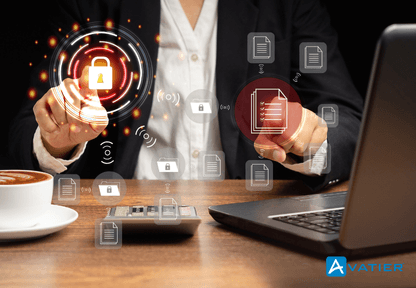
Multi-Factor Authentication (MFA) for All Access
Rather than relying solely on knowledge factors (passwords, security questions), modern help desks require multiple forms of authentication. According to Microsoft, MFA can block over 99.9% of account compromise attacks, making it one of the most effective security controls available.
Self-Service Password Management
Self-service password reset solutions eliminate a significant security vulnerability by removing help desk staff from the password reset process entirely. These systems use multiple verification factors before allowing users to reset their credentials, reducing the attack surface while improving user experience.
Continuous Verification
Zero-trust help desks implement continuous verification throughout user sessions rather than just at initial login. This approach monitors for unusual behaviors or access patterns that might indicate a compromised account.
Principle of Least Privilege
Help desk staff are granted only the minimum access required to perform their specific job functions, limiting the potential damage from compromised help desk accounts or insider threats.
AI-Powered Help Desk Security: The Next Evolution
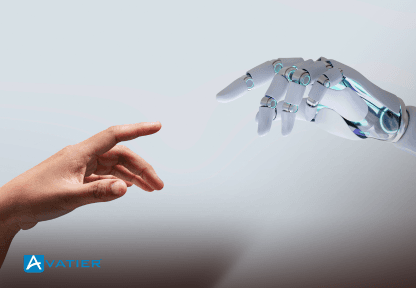
The latest evolution in help desk security leverages artificial intelligence and machine learning to enhance security while maintaining operational efficiency. These technologies enable:
Behavioral Biometrics
Advanced help desk security now incorporates behavioral biometrics—analyzing how users type, navigate interfaces, or even how they phrase requests—to identify potential imposters. This passive authentication layer operates continuously without requiring additional user actions.
Contextual Authentication
Context-aware authentication systems evaluate the risk level of each help desk interaction based on numerous factors: time of day, geographic location, device characteristics, network information, and historical user behavior patterns. Higher-risk scenarios trigger additional verification requirements automatically.
Anomaly Detection
AI systems continuously monitor help desk interactions, identifying patterns that deviate from established baselines. For example, if an employee who typically only contacts the help desk during business hours suddenly makes a high-privilege request at 2 AM from an unrecognized location, the system flags this as suspicious and requires enhanced verification.
Automated Response
When potential security incidents are detected, AI-powered systems can automatically initiate appropriate responses—ranging from requiring additional authentication factors to temporarily restricting access pending human investigation.
Implementing a Zero-Trust Help Desk: Best Practices
Organizations transitioning from traditional trust-based help desks to zero-trust models should consider these best practices:
1. Implement Robust Identity Governance
Access governance solutions provide the foundation for zero-trust help desks by establishing clear policies around who can access what resources under what conditions. These systems ensure that help desk staff have appropriate access levels and that all changes are properly documented and auditable.
2. Deploy Self-Service Solutions
Self-service solutions for password resets, access requests, and other common help desk functions improve security by removing human intermediaries while enhancing user experience. Identity Anywhere Password Management provides users with secure self-service options that reduce help desk calls while maintaining strict security protocols.
3. Establish Clear Verification Procedures
Document and enforce consistent verification procedures for different types of help desk requests. Higher-risk actions should require correspondingly higher levels of authentication and authorization.
4. Implement Comprehensive Auditing
Every help desk interaction, whether handled by staff or automated systems, should be thoroughly logged with details about who requested what changes, how their identity was verified, and what actions were taken.
5. Provide Continuous Security Training
Help desk staff require regular training on security threats, especially social engineering techniques. Simulated phishing and vishing (voice phishing) exercises help staff recognize and respond appropriately to manipulation attempts.
Help Desk Security for Specific Industries
Different industries face unique help desk security challenges based on their regulatory environments and threat landscapes:
Healthcare
Healthcare organizations must balance rapid access to systems (potentially in life-critical situations) with strict HIPAA compliance requirements. HIPAA-compliant identity management solutions for help desks include role-based access controls and comprehensive audit trails that document all access to protected health information.
Financial Services
Financial institutions face sophisticated attacks targeting high-value assets. Help desk operations in this sector must implement enhanced verification procedures, often including biometric factors, while maintaining compliance with regulations like SOX and PCI-DSS.
Government and Military
Government agencies require help desk solutions that meet FISMA, FIPS 200, and NIST SP 800-53 requirements. These specialized identity management solutions incorporate stricter verification standards and comprehensive documentation of all access changes.
Education
Educational institutions must protect sensitive student data under FERPA while providing efficient support to faculty, staff, and students. Education-specific identity management solutions balance these needs with appropriate verification mechanisms.
The Future of Help Desk Security
As we look toward the future, several trends are shaping the continued evolution of help desk security:
Passwordless Authentication
The industry is moving toward eliminating passwords entirely, replacing them with more secure authentication methods like biometrics, security keys, and certificates. This transition will significantly reduce help desk password reset requests—historically one of the most vulnerable help desk functions.
Integrated Identity Ecosystems
Future help desks will operate within comprehensive identity ecosystems that maintain continuous awareness of user identity, access rights, and security context across all enterprise systems. These integrated approaches ensure consistent security enforcement.
Adaptive Risk Scoring
Advanced risk scoring will allow help desk systems to dynamically adjust security requirements based on comprehensive risk assessments, applying additional verification only when necessary rather than creating friction for all interactions.
Conversational AI with Security Intelligence
AI-powered help desk chatbots and virtual assistants will incorporate sophisticated security intelligence, verifying user identities through conversational patterns and behavioral analysis while providing efficient support.
Conclusion
The evolution of help desk security from “trust but verify” to “never trust, always verify” represents a necessary response to today’s threat landscape. By implementing zero-trust principles, leveraging AI-powered security tools, and adopting automated identity management solutions, organizations can transform their help desks from security vulnerabilities into security strengths.
This transformation doesn’t just enhance security—it also improves the user experience by providing consistent, efficient support while reducing the friction often associated with security measures. As threats continue to evolve, help desk security will likewise continue to advance, but the fundamental shift from trust to verification will remain the cornerstone of effective help desk security.
Organizations looking to modernize their help desk security should start by evaluating their current verification procedures and implementing robust identity management solutions designed specifically for help desk operations. With the right approach, help desks can fulfill their crucial support role while maintaining the highest levels of security in an increasingly hostile digital environment.