August 13, 2025 • Mary Marshall
Enterprise Passwordless: How Avatier Scales Better Than Microsoft
Discover why enterprise IT leaders choose Avatier’s passwordless solutions over Microsoft for better scalability, and seamless integration.
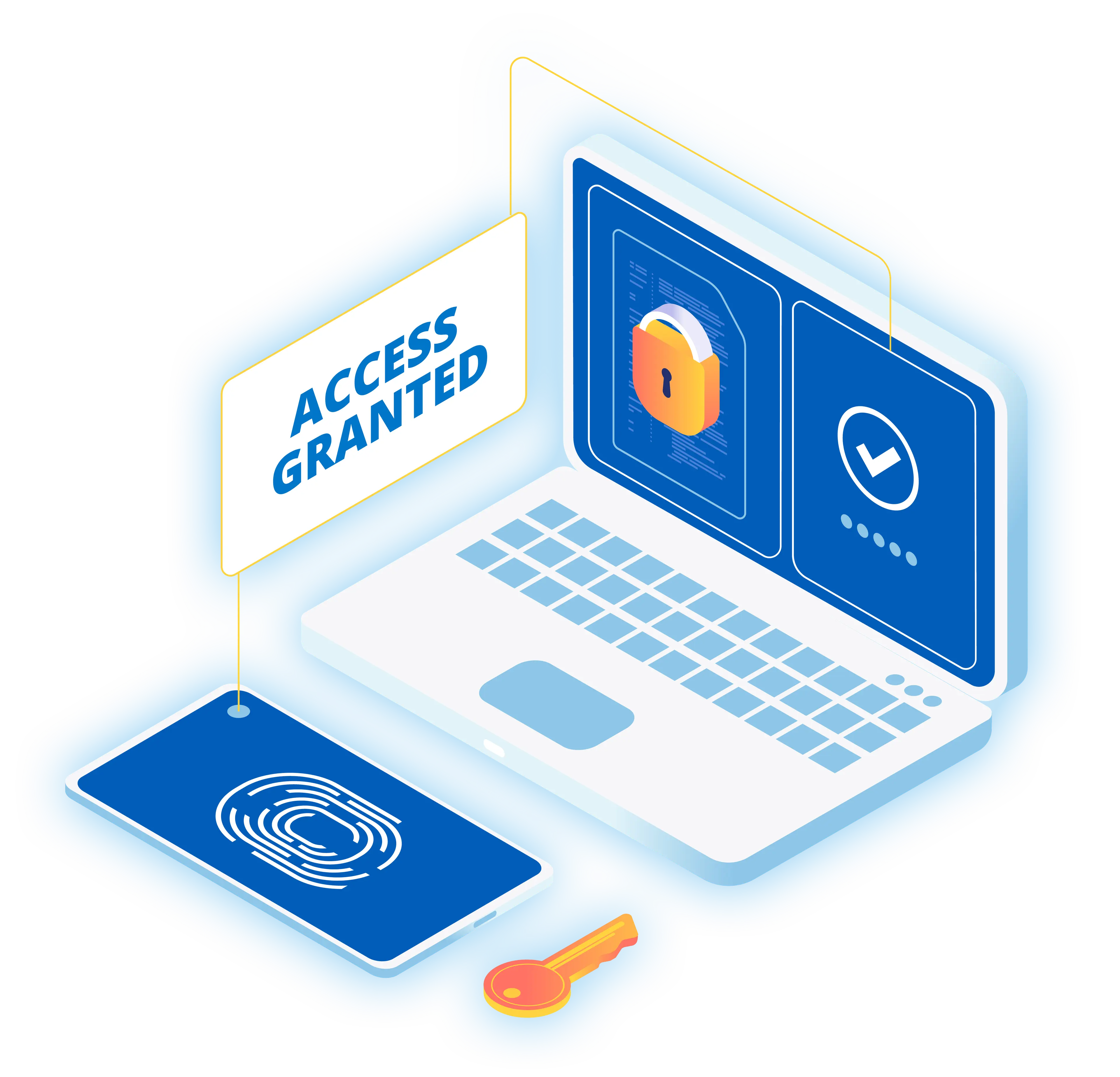
Passwords have become a significant vulnerability point for organizations. According to recent research, 81% of data breaches involve weak or stolen credentials, highlighting the urgent need for stronger authentication methods. As enterprises seek to eliminate password-related risks, passwordless authentication has emerged as a compelling solution – but not all implementations are created equal.
While Microsoft offers passwordless capabilities within its ecosystem, Avatier’s passwordless solutions deliver superior scalability, flexibility, and security for enterprise environments with complex identity requirements. This comprehensive analysis explains why forward-thinking organizations choose Avatier over Microsoft when implementing passwordless authentication at scale.
The Enterprise Passwordless Imperative
The case for passwordless authentication continues to strengthen. The average employee manages 191 passwords, creating significant friction, productivity loss, and security risks. Meanwhile, help desk costs skyrocket, with Gartner reporting that password resets account for 20-50% of all help desk calls, costing organizations $70 per reset on average.
For enterprises, passwordless authentication offers compelling benefits:
- Enhanced Security: Eliminates credential-based attacks like phishing and password spraying
- Reduced IT Burden: Decreases password reset requests and associated help desk costs
- Improved User Experience: Provides frictionless authentication across devices and applications
- Regulatory Compliance: Supports zero-trust security models required by regulations like NIST 800-53
Microsoft’s Passwordless Limitations for Enterprise Environments
Microsoft has made significant strides in passwordless authentication, particularly through Windows Hello, Microsoft Authenticator, and FIDO2 security key support. However, enterprises face several limitations when implementing Microsoft’s passwordless approach across complex environments:
1. Microsoft-Centric Ecosystem Constraints
Microsoft’s passwordless implementation works best within its own ecosystem. Enterprises with diverse technology stacks – including legacy systems, cloud applications from various vendors, and custom-developed solutions – often find Microsoft’s approach inadequate for comprehensive coverage.
2. Complex Integration Requirements
Organizations using non-Microsoft identity providers or multiple directory services face significant integration challenges. Microsoft’s passwordless solutions often require Azure AD as the foundation, creating architectural complexity for heterogeneous environments.
3. Limited Cross-Platform Flexibility
Microsoft’s passwordless implementations vary in functionality across different platforms. Windows-based environments receive the most robust support, while other operating systems may experience inconsistent capabilities or require additional configurations.
4. Scalability Concerns for Large Deployments
For global enterprises with tens of thousands of users across various regions, Microsoft’s passwordless approach can present scaling challenges, particularly regarding consistent policy enforcement, management overhead, and performance across distributed environments.
Avatier’s Enterprise-Ready Passwordless Advantage
Avatier’s Identity Management Anywhere platform delivers a truly enterprise-grade passwordless authentication solution that addresses the limitations of Microsoft’s approach. Here’s how Avatier provides superior scalability and flexibility for complex enterprise environments:
1. Vendor-Agnostic Integration Architecture
Unlike Microsoft’s ecosystem-focused approach, Avatier’s passwordless solution integrates seamlessly with diverse technology environments through its robust connector framework. This vendor-agnostic architecture supports:
- Multiple directory services (Active Directory, Azure AD, Okta, etc.)
- Legacy on-premises applications
- Cloud-based SaaS applications
- Custom-developed systems
- Third-party identity providers
Avatier’s top identity management application connectors enable passwordless authentication across virtually any enterprise application, regardless of hosting environment or technology stack.
2. Superior Scalability for Global Enterprises
Avatier’s containerized architecture enables unprecedented scalability for enterprise deployments. As the world’s first Identity-as-a-Container (IDaaC) solution, Avatier can scale effortlessly to support hundreds of thousands of users across global environments with:
- Distributed deployment options
- High-availability configurations
- Load-balanced authentication services
- Efficient resource utilization
- Predictable performance across regions
For enterprises experiencing rapid growth or managing large, distributed workforces, Avatier’s scalability advantage provides significant operational benefits compared to Microsoft’s approach.
3. Comprehensive Authentication Methods
Avatier supports a broader range of authentication methods than Microsoft, giving enterprises more flexibility to implement passwordless strategies that align with their specific security requirements and user needs:
- FIDO2 security keys
- Biometric authentication (fingerprint, facial recognition)
- Mobile push notifications
- QR code authentication
- Hardware tokens
- SMS/email one-time passwords
- Context-based authentication
This flexibility ensures organizations can implement the right authentication methods for different user groups, applications, and risk levels – all from a unified management interface.
4. Advanced Multi-Factor Integration
Avatier’s multifactor integration capabilities extend beyond Microsoft’s offerings, providing enterprises with enhanced security through:
- Risk-based authentication policies
- Adaptive MFA based on user behavior
- Seamless step-up authentication
- Contextual access policies
- Centralized MFA policy management
- Comprehensive audit logging
These capabilities enable organizations to implement a true zero-trust security model while maintaining a frictionless user experience – a balance that’s difficult to achieve with Microsoft’s more limited MFA approach.
5. Self-Service Identity Management
Avatier’s self-service identity management capabilities significantly reduce operational overhead compared to Microsoft’s approach. Users can manage their own passwordless authentication methods through an intuitive interface, enabling:
- Self-registration of biometric factors
- Management of authentication devices
- Reset of authentication methods
- Self-service account recovery
This self-service approach dramatically reduces help desk calls and administrative overhead while improving the user experience – a critical advantage for large enterprise deployments.
Real-World Enterprise Scaling: Avatier vs. Microsoft
To illustrate the practical differences between Avatier and Microsoft’s passwordless implementations, consider the following real-world scaling scenarios:
Scenario 1: Mergers and Acquisitions
When organizations merge or acquire companies, identity integration becomes a critical challenge. Microsoft’s passwordless approach typically requires standardizing on Azure AD, which can delay integration timelines and increase complexity.
Avatier’s vendor-agnostic approach allows organizations to implement passwordless authentication across both environments immediately, without requiring directory consolidation. This accelerates integration timelines while maintaining strong security during the transition period.
Scenario 2: Global Manufacturing Operations
A global manufacturing company with 75,000 employees across 45 countries needs to implement passwordless authentication for both office workers and shop floor personnel using various devices and applications.
Microsoft’s approach struggles with the diverse application ecosystem and non-Windows devices on the manufacturing floor. In contrast, Avatier’s solution seamlessly supports the entire environment, including specialized manufacturing applications, legacy systems, and various device types – all with consistent security policies and user experiences.
Scenario 3: Healthcare Provider Networks
Healthcare organizations operate in highly regulated environments with complex application ecosystems, including electronic health records, medical devices, and research systems.
Avatier’s HIPAA-compliant identity management solution enables passwordless authentication across all these systems while maintaining strict compliance requirements. Microsoft’s approach often falls short in supporting specialized healthcare applications and devices, creating security gaps and compliance risks.
Enterprise Implementation Considerations
For organizations evaluating passwordless authentication solutions, several key factors should influence the decision between Avatier and Microsoft:
Total Cost of Ownership
While Microsoft’s passwordless capabilities may seem cost-effective for organizations already invested in the Microsoft ecosystem, the total cost of ownership must consider:
- Integration costs for non-Microsoft applications
- Ongoing management overhead
- Help desk and support requirements
- Training and change management
Avatier’s comprehensive solution often delivers a lower total cost of ownership for complex enterprise environments, particularly when accounting for reduced help desk costs and administrative overhead.
Implementation Timeline
Enterprises seeking rapid passwordless deployment will find Avatier’s approach significantly faster to implement across diverse environments. Microsoft’s ecosystem-dependent approach typically requires more extensive preparation and integration work, extending implementation timelines.
User Experience Consistency
Avatier delivers a more consistent user experience across different platforms, applications, and authentication scenarios. This consistency improves user adoption and reduces training requirements – critical factors for successful passwordless initiatives.
Security Posture Improvement
Organizations seeking to maximize security improvements through passwordless authentication will find Avatier’s comprehensive approach delivers more substantial risk reduction. The solution’s advanced capabilities, including behavioral analytics, contextual authentication, and detailed audit logging, provide enhanced security compared to Microsoft’s more basic implementation.
Conclusion: The Enterprise Passwordless Choice
For organizations serious about implementing passwordless authentication at enterprise scale, Avatier delivers clear advantages over Microsoft’s approach. With superior integration capabilities, better scalability, and more comprehensive security features, Avatier’s passwordless solution meets the complex needs of today’s large enterprises.
As passwordless authentication continues to replace traditional password-based methods, organizations must choose solutions designed for enterprise-scale deployments. Avatier’s vendor-agnostic, highly scalable approach ensures that passwordless initiatives deliver maximum security benefits with minimum implementation complexity – even in the most complex enterprise environments.
To learn more about implementing enterprise-grade passwordless authentication with Avatier, explore our Identity Anywhere platform or discover how our password management solutions can transform your organization’s security posture while enhancing the user experience.
Ready to eliminate passwords from your enterprise environment? Contact Avatier today to discuss your specific requirements and discover how our passwordless solutions scale better than Microsoft for complex enterprise deployments.