December 4, 2025 • Mary Marshall
Application-Specific Password Policies: Balancing Security and Usability in the Modern Enterprise
Discover how application-specific password policies enhance security while improving user experience. Learn implementation strategies.
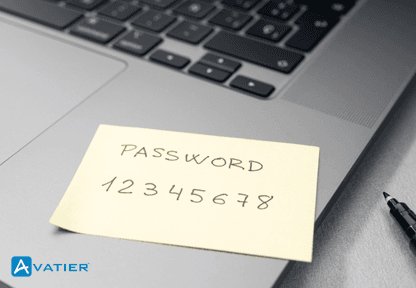
Organizations face a critical challenge: maintaining robust security through strong password policies while ensuring a frictionless user experience. Traditional one-size-fits-all password approaches often create unnecessary friction for users while potentially leaving high-value applications insufficiently protected. Application-specific password policies offer a strategic solution to this conundrum by tailoring security requirements based on risk level, data sensitivity, and usage patterns.
The Password Policy Paradox
Most IT administrators understand the fundamental password policy dilemma. Overly stringent requirements across all systems lead to user frustration, password fatigue, and counterproductive behaviors like writing passwords down or reusing them across accounts. Conversely, weak policies leave organizations vulnerable to credential-based attacks, which continue to be a primary attack vector for cybercriminals.
According to the 2022 Verizon Data Breach Investigations Report, 82% of breaches involved the human element, with credentials remaining one of the most sought-after data types in breaches. Meanwhile, Microsoft reports that implementing proper password policies can prevent over 99.9% of account compromise attacks.
The Strategic Value of Application-Specific Password Policies
Application-specific password policies represent a nuanced approach that recognizes not all applications carry the same risk profile or handle equally sensitive data. By implementing graduated security requirements, organizations can:
- Align security measures with actual risk levels
- Reduce user friction where appropriate
- Focus strongest protections on critical systems
- Improve overall security posture
- Enhance compliance with regulatory requirements
The Role of Context in Modern Password Management
Context-aware security represents the evolution of identity management. Rather than enforcing identical password complexity across all systems, application-specific policies consider:
- The sensitivity of data processed by the application
- User roles and access privileges
- Geographic location and device type
- Authentication frequency and patterns
- Regulatory compliance requirements
Implementing Application-Specific Password Policies: A Framework
Creating an effective strategy for application-specific password policies requires a systematic approach:
1. Application Classification and Risk Assessment
Begin by categorizing your applications based on:
- Data sensitivity: What type of data does the application process or store?
- Access requirements: Who needs access and how frequently?
- Compliance mandates: Which regulations govern the application?
- Integration dependencies: How does the application connect to other systems?
This assessment helps establish appropriate tiers for password policy strength.
2. Define Policy Tiers
Create graduated policy levels that match your organization’s risk tolerance and compliance needs:
- Tier 1 (Highest Security): For applications handling sensitive data or providing privileged access. Require complex passwords (16+ characters), frequent rotation, and multi-factor authentication.
- Tier 2 (Enhanced Security): For applications with moderate sensitivity. Maintain strong complexity requirements but with less frequent rotation.
- Tier 3 (Standard Security): For low-risk applications. Implement baseline complexity with minimal rotation requirements.
3. Technology Implementation
The right identity management solution is crucial for implementing and enforcing application-specific password policies. Avatier’s Password Bouncer provides granular control over password policies, allowing organizations to:
- Configure unique password requirements for different applications
- Enforce complexity based on user roles and access privileges
- Implement password history rules to prevent reuse
- Generate random, secure passwords that meet specific policy requirements
- Provide user-friendly interfaces for password management
4. Integration with Identity Infrastructure
Application-specific password policies work best when integrated with your broader identity management infrastructure. This integration allows for:
- Centralized management: Administer policies from a single console
- User synchronization: Maintain consistent user attributes across systems
- Reporting and compliance: Generate comprehensive audit trails
- Automated enforcement: Apply policies automatically to new applications
Avatier’s Identity Management Suite offers seamless integration capabilities that ensure consistent policy application across your enterprise environment.
Balancing Security and Usability: Best Practices
Implementing application-specific policies requires careful attention to the user experience. Here’s how to maintain the balance:
1. Educate Users About the Why, Not Just the What
Help users understand that different password requirements exist for different applications because of varying risk levels. This context increases compliance and reduces resistance to stricter policies for critical systems.
2. Leverage Modern Password Guidance
Recent guidance from NIST (SP 800-63B) and other security frameworks has evolved toward longer, simpler passwords with less frequent rotation for many applications. Incorporate these insights into your policy design:
- Focus on password length over complexity for lower-risk applications
- Eliminate arbitrary rotation requirements where not necessary
- Check passwords against breach databases to prevent known vulnerable credentials
3. Provide Self-Service Options
Self-service password management dramatically reduces friction while maintaining security. Avatier’s Password Management solution enables users to:
- Reset their own passwords through secure verification channels
- Receive automated notifications before password expiration
- Synchronize password changes across multiple systems
- Access mobile-friendly interfaces for anytime, anywhere password management
4. Implement Complementary Security Controls
Password policies should be part of a comprehensive security strategy that includes:
- Multi-factor authentication (MFA): Especially critical for high-security applications
- Single sign-on (SSO): To reduce password fatigue while maintaining security
- Risk-based authentication: Adjusting requirements based on behavioral analytics
- Privileged access management: For administrator and service accounts
Real-World Implementation: Case Studies and Outcomes
Organizations that successfully implement application-specific password policies report significant benefits:
Financial Services Example
A large financial institution implemented tiered password policies based on data sensitivity and regulatory requirements. They established:
- Tier 1 policies for systems handling customer financial data (PCI-DSS compliant)
- Tier 2 policies for internal financial applications
- Tier 3 policies for general business applications
Result: 67% reduction in password-related help desk calls while improving their security posture and regulatory compliance.
Healthcare Provider Implementation
A regional healthcare network aligned password policies with HIPAA requirements and data sensitivity:
- Strongest policies for clinical systems with PHI
- Medium-strength policies for administrative healthcare applications
- Standard policies for general business systems
Result: 42% improvement in password compliance and 78% reduction in password reset tickets.
Leveraging AI for Advanced Password Policy Management
Artificial intelligence is transforming password management by enabling more intelligent, adaptive policies. Modern identity management solutions like Avatier incorporate AI to:
- Analyze usage patterns to identify appropriate policy levels for different applications
- Detect anomalous login behaviors that may indicate compromised credentials
- Recommend policy adjustments based on emerging threats and user behavior
- Automate policy implementation across complex environments
The future of password management lies in intelligent systems that can dynamically adjust requirements based on real-time risk assessment, further optimizing the balance between security and usability.
Compliance Considerations for Application-Specific Password Policies
Application-specific password policies can help organizations meet regulatory requirements more efficiently. Different compliance frameworks have varying password requirements:
- PCI-DSS: Requires minimum 7-character passwords with both numeric and alphabetic characters
- HIPAA: Recommends authentication that verifies users have appropriate access
- NIST 800-53: Provides detailed guidance on authentication strength relative to risk
- SOX: Focuses on access controls for financial reporting systems
Avatier’s compliance solutions help organizations maintain regulatory alignment while implementing graduated password policies.
Conclusion: A Strategic Approach to Password Management
Application-specific password policies represent a mature approach to identity security, acknowledging that effective security must balance protection with usability. By implementing contextual password requirements that align with actual risk, organizations can:
- Enhance overall security posture
- Reduce user friction and password fatigue
- Meet compliance requirements more efficiently
- Focus IT security resources where they matter most
As cyber threats continue to evolve, static, one-size-fits-all password policies are increasingly inadequate. Forward-thinking organizations are adopting flexible, risk-based approaches that protect sensitive assets while providing a streamlined experience for users.
To implement effective application-specific password policies in your organization, consider Avatier’s Password Bouncer, which provides the granular control, flexibility, and integration capabilities needed to create a balanced, effective approach to password security.
By moving beyond traditional password management to a more nuanced, application-specific strategy, organizations can transform what has traditionally been a security liability—user passwords—into a more manageable and effective component of their overall identity and access management framework.